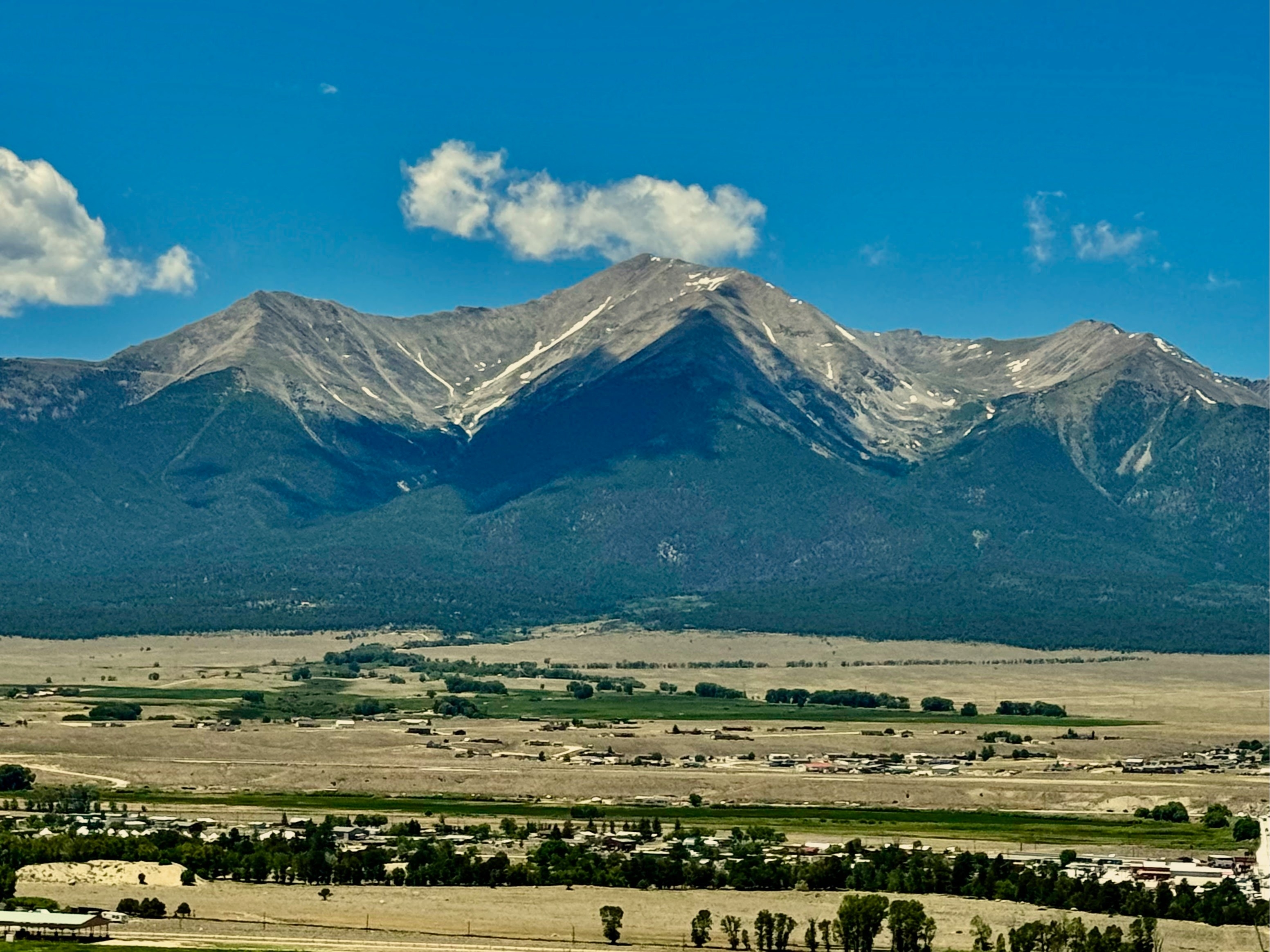
A Complete Guide to 14ers: Colorado’s Legendary Peaks and the Mountains Beyond
Climbing a “14er” is one of the most iconic outdoor achievements in the United States. The term 14er refers to any mountain that rises to 14,000 feet (4,267 meters) or higher, a classification most closely associated with Colorado and its dramatic Rocky Mountain landscapes. These towering summits draw hikers, backpackers, mountaineers, and nature lovers from around the world—many seeking the unmatched sense of accomplishment and awe that comes with standing atop one of America’s highest peaks.
Colorado boasts the highest concentration of these summits in the U.S., with 58 recognized 14ers depending on the criteria used and 53 by the most conservative measurement. Each peak offers its own personality—some approachable and perfect for beginners, others steep, remote, and technical, reserved only for skilled climbers with robust alpine experience.
Climbing a 14er is about more than reaching a high point on a map. It’s about experiencing ecosystems that few people ever visit, testing physical endurance, understanding alpine weather, and forming a deep connection with mountains that have shaped the cultural and natural history of the West. Whether you’re researching your first climb or looking to deepen your understanding of these famous peaks, this guide offers an expansive look at what makes 14ers so special, why they captivate adventurers, and how to approach them safely and respectfully.
Why 14ers Are So Popular
From novice hikers to seasoned mountaineers, climbers are drawn to 14ers for several compelling reasons:
1. The Appeal of High-Elevation Adventure
At 14,000 feet, the environment is dramatically different from the foothills and pine forests below. Climbers ascend through alpine meadows, expansive talus fields, and stark ridgelines where the air is thin and the landscape appears almost lunar. The views from the summit often stretch for dozens—or even hundreds—of miles.
2. Achievable Goals for Day Hikers
Many Colorado 14ers, such as Mount Bierstadt, Quandary Peak, and Mount Sherman, can be climbed in a single day. This accessibility makes 14er climbing achievable for the average outdoors enthusiast with solid preparation.
3. A Culture and Community Around the Peaks
Completing all of Colorado’s 14ers has become a badge of honor. The state’s vibrant outdoor community celebrates summit achievements, shares route conditions, and offers guidance for newcomers. Entire guidebooks, social media groups, and nonprofits have formed around the stewardship of these peaks.
4. Photogenic, Iconic Landscapes
From the red-hued Maroon Bells to the symmetrical cone of Pikes Peak, many 14ers are among the most photographed mountains in North America. Their beauty alone is reason enough to visit.
Understanding the Challenges of 14ers
Although some 14ers are straightforward hikes, others are among the most dangerous mountains in the United States. Climbers should not underestimate the environment.
High Altitude and Thin Air
As elevation increases, oxygen levels drop significantly. Common symptoms of altitude sickness include:
-
Headaches
-
Dizziness
-
Nausea
-
Fatigue
-
Loss of appetite
Proper acclimatization, hydration, and pacing are essential.
Unpredictable Weather
Colorado’s mountains are notorious for:
-
Sudden thunderstorms
-
Icy winds
-
Rapid temperature drops
-
Afternoon lightning
Most climbers begin their ascent around sunrise to ensure they descend below treeline before storms develop.
Terrain Hazards
From loose rock to steep couloirs, each mountain presents its own technical features:
-
Class 1 and 2 routes resemble rugged hiking trails.
-
Class 3 routes involve scrambling and moderate exposure.
-
Class 4 and 5 routes require technical climbing skills and proper gear.
Inexperience is one of the leading causes of accidents on 14ers.
Colorado’s 14ers by Mountain Range
Colorado’s 14ers span several major mountain ranges, each with characteristically different terrain, ecosystems, and climbing styles. Below is a categorized overview of some of the most iconic and frequently climbed peaks.
Sawatch Range
The Sawatch Range hosts many of the state’s highest and most massive mountains. These peaks often feature long, steady climbs and big elevation gains.
1. Mount Elbert – 14,440 ft
The highest peak in Colorado and the second-highest in the Lower 48. Its well-trodden trails make it achievable for fit beginners.
2. Mount Massive – 14,428 ft
True to its name, Massive sprawls across an enormous ridge, offering multiple routes and fewer crowds than Elbert.
3. Mount Harvard – 14,421 ft
Known for its rugged beauty, Harvard offers a long but rewarding climb through the Collegiate Peaks Wilderness.
4. Mount Columbia – 14,073 ft
Often paired with Mount Harvard, Columbia’s steep slopes demand stamina and solid route-finding.
5. Mount Yale – 14,199 ft
A popular hike with dramatic summit views, especially in early morning light.
6. Mount Princeton – 14,197 ft
Another standout in the Collegiate Peaks, featuring a mix of moderate and challenging terrain.
7. Mount Antero – 14,197 ft
Accessed via a rough 4WD road, this peak is famous for its gemstone deposits.
Front Range
The Front Range is closest to Denver and Colorado Springs, making these peaks some of the most popular in the state.
8. Longs Peak – 14,259 ft
Longs is legendary. The Keyhole Route is long, exposed, and challenging, making it one of the most respected 14ers.
9. Mount Bierstadt – 14,065 ft
A popular “beginner” 14er with a clear path to the summit, though crowds are common.
10. Mount Evans – 14,271 ft
One of the few summits accessible by car, yet also home to robust hiking routes.
11. Grays Peak – 14,278 ft
12. Torreys Peak – 14,267 ft
Often climbed together, offering a classic two-summit day with incredible ridge views.
Elk Mountains
Known for their jagged shapes, loose rock, and high technical difficulty.
13. Castle Peak – 14,265 ft
One of the more accessible peaks in the otherwise technical Elk Range.
14. Maroon Bells – North Maroon (14,197 ft) & Maroon Peak (14,156 ft)
The Maroon Bells’ beauty is unmatched. Their hazards, however, are well-documented.
15. Pyramid Peak – 14,018 ft
Steep, dangerous, and awe-inspiring—one of Colorado’s most technical 14ers.
San Juan Mountains
Home to some of Colorado’s most colorful geology and scenic alpine basins.
16. Handies Peak – 14,048 ft
A favorite among photographers, especially during wildflower season.
17. Redcloud Peak – 14,034 ft
18. Sunshine Peak – 14,001 ft
Commonly climbed together, known for their red rock and sweeping views.
19. Wilson Peak – 14,252 ft
Recognizable from the Coors logo, this technical climb requires experience.
20. Mount Sneffels – 14,150 ft
One of the most picturesque peaks in Colorado, surrounded by glacial basins.
Mosquito Range and Other Peaks
21. Mount Lincoln – 14,286 ft
22. Mount Bross – 14,178 ft
23. Mount Democrat – 14,155 ft
Often combined in the popular 14er “deca loop.”
Pikes Peak: America’s Mountain
One of Colorado’s most famous mountains, Pikes Peak (14,115 ft) is admired for its accessibility and history. Named after Zebulon Pike, the mountain inspired the lyrics to “America the Beautiful.”
Ways to Experience Pikes Peak
-
Drive the Pikes Peak Highway
-
Take the Pikes Peak Cog Railway
-
Hike the demanding Barr Trail (13 miles and over 7,500 ft of gain)
A Mountain with Iconic Events
The annual Pikes Peak International Hill Climb—a high-speed motorsport race—draws global attention to the mountain’s rugged terrain and intense elevation gain.
The Dangers of 14ers: A Look at the Maroon Bells
The Maroon Bells are widely regarded as two of the most dangerous 14ers. Their steep faces and notoriously loose rock have earned them the nickname “The Deadly Bells.”
Key Risk Factors
Climbers should be extremely cautious and ensure they have the appropriate experience level before attempting these peaks.
14ers Outside of Colorado
While Colorado is the hub for 14ers, several other noteworthy summits exist across the United States. These mountains offer a different flavor of alpine challenge.
California
Mount Whitney – 14,505 ft
The highest peak in the Lower 48, with a popular but strenuous trail to the summit.
White Mountain Peak – 14,252 ft
Less technical and far less crowded than Whitney, offering expansive high-desert views.
Alaska
Denali – 20,310 ft
The tallest mountain in North America. A highly technical, strenuous climb requiring advanced mountaineering skills.
Mount Saint Elias – 18,008 ft
Remote and extremely challenging, with severe weather and glaciated terrain.
Washington
Mount Rainier – 14,411 ft
The most glaciated peak in the Lower 48, attracting climbers from around the world.
The Cultural Significance of 14ers
Climbing a 14er is more than a physical feat—it’s a deeply meaningful experience. For many:
Summiting a 14er leaves a lasting impression. Climbers frequently report deep gratitude and reflection atop these peaks, inspired by the vast landscapes surrounding them.
Final Thoughts
14ers represent the very best of what the mountains have to offer: adventure, challenge, beauty, and an opportunity for personal growth. Whether you’re planning your first summit attempt or working toward a lifelong goal of climbing all of Colorado’s highest peaks, each journey into the alpine world brings its own rewards.
With proper preparation, respect for nature, and an understanding of mountain hazards, climbing a 14er becomes a transformative experience—one that stays with you long after descending back to the trailhead.