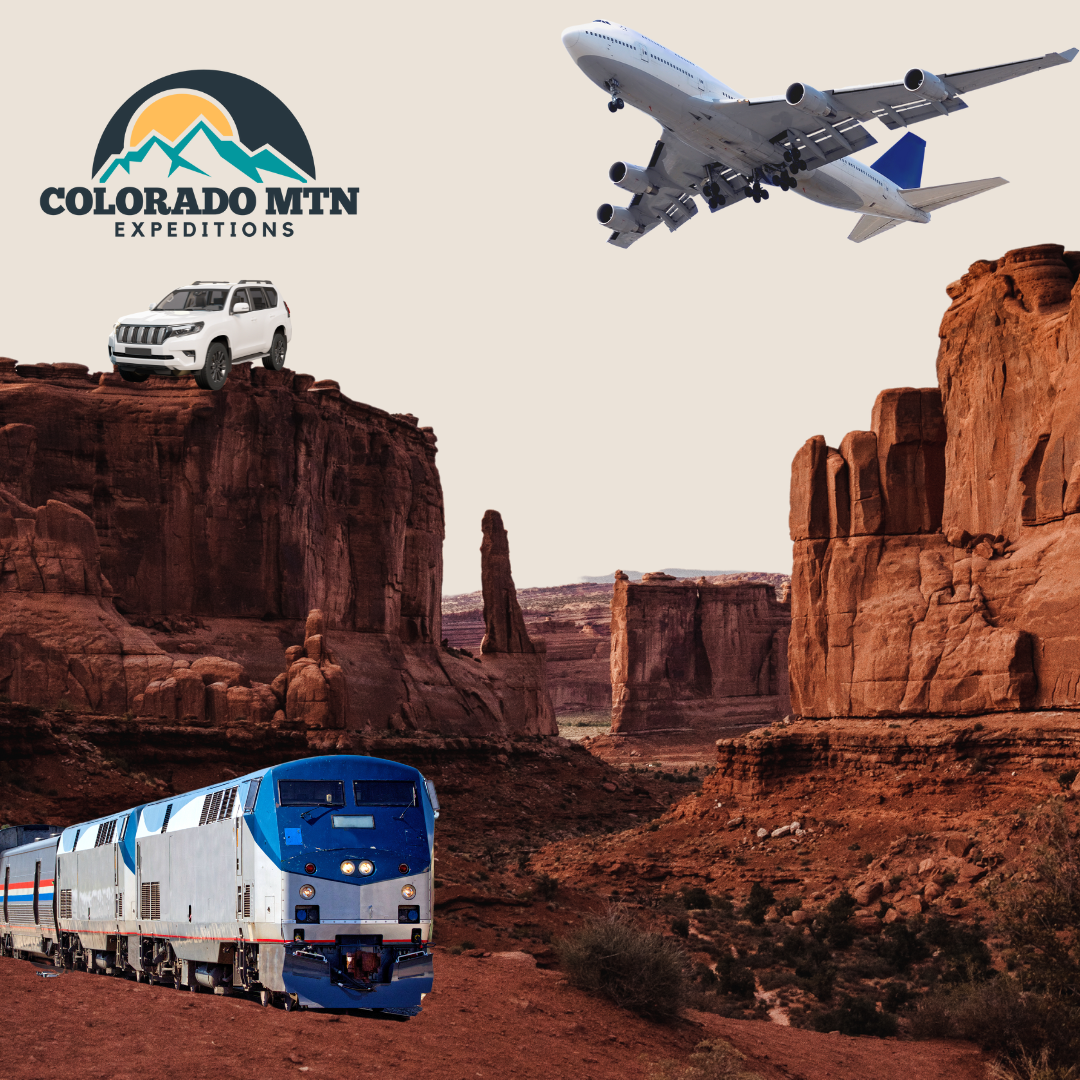
Traveling to Moab, Utah: The Complete Guide to Getting to the Adventure Hub of the Southwest
Moab, Utah, is one of the most iconic outdoor destinations in the United States. Known for its jaw-dropping red rock formations, world-class hiking, mountain biking, and proximity to Arches National Park and Canyonlands National Park, Moab draws millions of visitors each year. Whether you're planning a national park road trip, a guided adventure, or a family vacation filled with hiking and sightseeing, understanding how to get to Moab is essential for planning a smooth and enjoyable trip.
This comprehensive guide explores every way to travel to Moab—by air, road, bus, and rail—while providing helpful insights about travel times, the best seasons to visit, transportation tips, and how to prepare for the region’s unique desert environment.
1. Flying to Moab, Utah
Flying is the fastest and most convenient way for most travelers to reach Moab, especially those coming from the East Coast, Midwest, or the Pacific Northwest.
Canyonlands Regional Airport (CNY): Moab’s Local Airport
Moab does have its own airport, Canyonlands Regional Airport (CNY), located about 18 miles north of town. While small, it offers limited commercial flights from select regional hubs depending on the season.
Because flight availability can fluctuate and schedules may be limited, many visitors instead choose to fly into larger nearby airports for better pricing and more flexibility.
Salt Lake City International Airport (SLC): Best Major Airport for Most Travelers
For most visitors, flying into Salt Lake City International Airport is the most convenient option. Salt Lake City is a major hub with daily flights from nearly every major U.S. city.
Distance to Moab: ~234 miles
Drive Time: ~4 hours
Best Ways to Get From SLC to Moab
✔ Rent a Car
The most popular choice, offering total flexibility for exploring Arches and Canyonlands.
The drive takes you through mountains, plateaus, and wide-open desert views—an adventure in itself.
✔ Shuttle Services
Several private shuttle operators run routes from Salt Lake City to Moab. This is ideal for travelers who don’t want to rent a car or those meeting a tour group in Moab.
Grand Junction Regional Airport (GJT): Closest Major Airport to Moab
Located in western Colorado, Grand Junction Regional Airport is only about 115 miles from Moab, making it the closest major airport.
Distance to Moab: ~115 miles
Drive Time: ~1 hour 45 minutes
Getting from GJT to Moab
✔ Rental Cars
This is the easiest and most efficient option. The drive from Colorado to Utah is scenic and simple.
✔ Shuttle Services
Some private shuttles operate between Grand Junction and Moab, though availability may vary.
2. Driving to Moab: The Classic Road Trip Experience
Driving to Moab is one of the most rewarding ways to arrive, especially for travelers in nearby states like Colorado, Arizona, Nevada, Wyoming, and New Mexico. The scenic highways leading into Moab are filled with towering mesas, deep canyons, and panoramic desert vistas.
Driving also gives you the freedom to explore at your own pace and visit nearby attractions like Dead Horse Point State Park, Goblin Valley, the La Sal Mountains, or other parts of Utah’s Mighty Five.
Major Driving Routes to Moab
From Denver, Colorado
Route: I-70 West → US-191 South
Drive Time: 5–6 hours
This popular route crosses the Rocky Mountains before dropping into the high desert. Expect spectacular scenery.
From Salt Lake City, Utah
Route: US-6 to US-191
Drive Time: 4 hours
A direct route passing through changing mountain and desert ecosystems.
From Las Vegas, Nevada
Route: I-15 North → I-70 East → US-191 South
Drive Time: 6–7 hours
This trip starts in the Mojave Desert and moves into iconic Utah canyon country.
From Arizona (Flagstaff or Phoenix)
Typical Route: US-89 → US-160 → US-191
Drive Time: Varies by city
This approach takes you through wide open desert, Navajo Nation lands, and striking red rock scenery.
3. Scenic Byways Near Moab
If you enjoy scenic drives—and Moab is full of them—don’t miss the chance to approach or leave the town via one of its stunning byways.
Utah Scenic Byway 128
Often described as one of the most beautiful roads in the Southwest, this route follows the Colorado River through towering canyon walls and red rock formations.
Potash Road (UT-279)
Known for its petroglyphs and views of the Colorado River. An incredible drive that many visitors overlook.
La Sal Mountain Loop Road
A high-elevation escape with forests, mountain views, and cooler temperatures.
Each of these drives offers unique photo opportunities and a memorable introduction to Moab’s landscape.
4. Taking a Bus to Moab
Bus travel is not the most common way to reach Moab, but it is an option for budget travelers or those without access to a car.
Some national bus carriers operate regional routes into eastern Utah, with connections from larger regional cities. Because schedules can be limited, checking availability in advance is essential.
While bus travel is not as flexible as driving or flying, it remains a useful option for travelers looking for affordability or travelers meeting guided tours in Moab.
5. Traveling to Moab by Train (Rail Access)
There is no direct passenger train service into Moab, but travelers can incorporate Amtrak into their journey by riding the train to Grand Junction, Colorado.
Using Amtrak to Access Moab
Closest Station: Grand Junction, CO
Then: Rent a car or take a shuttle → Moab
This option offers a scenic, relaxed travel experience, especially for travelers exploring the West by rail.
6. Best Time to Travel to Moab
Moab has four very distinct seasons. Choosing the right one can significantly enhance your trip.
Spring: March–May (One of the Best Times to Visit)
Spring is one of the most popular seasons due to mild temperatures, blooming desert wildflowers, and ideal trail conditions.
Why Visit in Spring:
-
Comfortable hiking weather
-
Perfect for biking, rafting, and sightseeing
-
Wildflowers and fresh desert colors
Fall: September–November (Another Ideal Season)
Fall is often considered the best time of year for photography and outdoor adventure.
Why Visit in Fall:
Summer: June–August (Hot but Popular)
Summer temperatures routinely exceed 100°F. Despite the heat, this is the high tourism season.
Why Visit in Summer:
Winter: December–February (Quiet & Stunning)
Winter is underrated and offers a peaceful desert experience.
Why Visit in Winter:
Winter conditions can bring snow or icy trails at higher elevations, so extra caution is recommended.
7. Transportation Within Moab
Once you arrive, getting around Moab is easy thanks to a variety of transportation options.
Car Rentals
The most flexible way to explore the national parks. Parking is limited during peak season, especially at Arches, so early mornings help avoid crowds.
Shuttles & Tours
A wide variety of guided experiences are available, including:
-
Jeep tours
-
Rafting trips
-
Scenic flights
-
Guided hiking
-
UTV adventures
Guided outings are a great way to explore areas not accessible by standard vehicles.
Biking
Moab is world-famous for mountain biking, with trails ranging from beginner-friendly to extremely technical.
Many visitors choose to rent a bike for at least one day. Popular routes include:
-
Moab Brand Trails
-
Slickrock Trail
-
Klondike Bluffs
-
Dead Horse Point trails
Walking & Local Shuttles
Moab’s downtown core is walkable, offering cafes, restaurants, outdoor stores, and galleries.
8. Tips for Planning Your Moab Trip
Start Early
Arches National Park often uses timed entry during busy seasons. Early mornings help beat the heat and crowds.
Stay Hydrated
The desert climate causes dehydration faster than many travelers expect.
Book Lodging Early
Moab fills up quickly during spring and fall. Hotels, campgrounds, and vacation rentals are usually booked months in advance.
Plan for Limited Cell Service
Many areas outside the town have spotty or no reception.
Respect the Desert Environment
Follow Leave No Trace principles to help preserve Moab’s fragile landscapes.
Final Thoughts: Planning the Perfect Trip to Moab
Traveling to Moab is more than simply getting from point A to point B. Whether you fly into Salt Lake City, road-trip from nearby states, ride a shuttle, or combine train and car travel, your journey sets the stage for one of the most memorable outdoor experiences in the American Southwest.
With sweeping canyon views, vibrant red rock formations, and endless opportunities for hiking, biking, climbing, and sightseeing, Moab offers something for everyone. No matter how you choose to travel, the adventure truly begins the moment you set your course toward this incredible desert town.