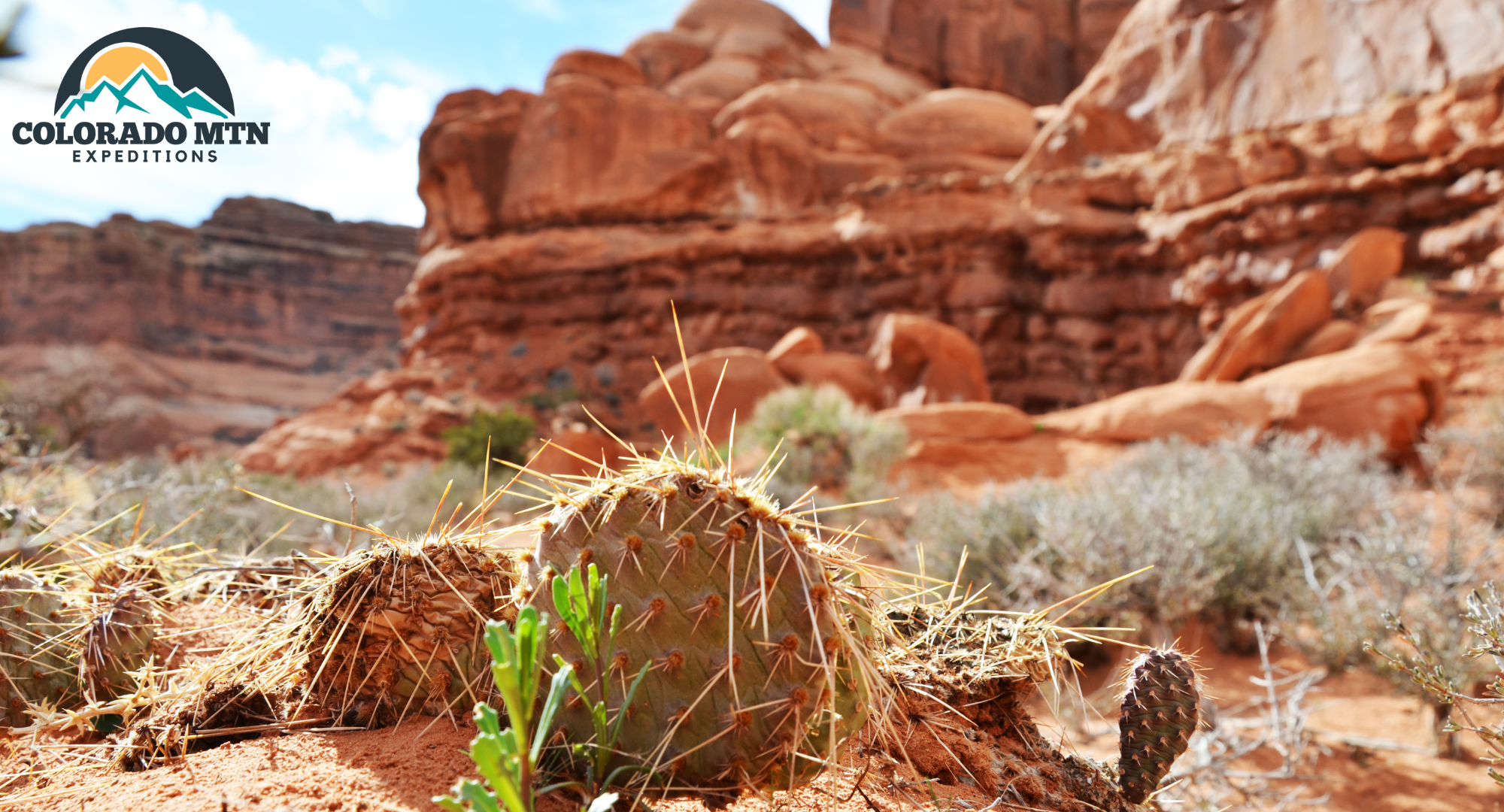
The Remarkable Flora of Moab, Utah: A Living Tapestry of Desert Resilience
Moab, Utah is widely known for its world-famous red rock landscapes, iconic national parks, and endless opportunities for outdoor adventure. But beyond its striking sandstone arches and dramatic canyons lies another treasure: a surprisingly diverse and resilient collection of plant life. Positioned at the convergence of the Colorado Plateau, the Great Basin, and the Mojave Desert, Moab sits at an ecological crossroads. This unique location allows an impressive range of desert plants to flourish, each adapted to survive the harsh yet beautiful conditions of southeastern Utah.
Exploring Moab’s flora reveals not just the region’s natural beauty, but also the ecological importance of its plants and their remarkable ability to thrive in one of North America’s most demanding environments.
A Resilient Desert Ecosystem: How Plants Survive in Moab
Moab’s climate poses extreme challenges: low rainfall, scorching summer temperatures, cold desert nights, and rugged, fast-draining soils. Yet these very challenges shape a landscape filled with plant species perfectly adapted to desert living.
Many of Moab’s native plants use strategies such as:
-
Deep or widespread root systems to access scarce water
-
Waxy or hairy leaves that reduce evaporation
-
Seasonal dormancy during periods of extreme heat or drought
-
Symbiotic relationships with pollinators and soil microbes
Among the most important contributors to this desert ecosystem are Moab’s hardy shrubs, which help hold the soil together, prevent erosion, and provide critical habitat for wildlife.
The Foundation Shrubs of Moab’s Desert Floor
Sagebrush (Artemisia tridentata)
One of the most iconic plants of the American West, sagebrush dominates many parts of the Moab region. Its silvery-green leaves and unmistakable aroma define the landscape, but its ecological role is even more impressive. Sagebrush provides essential forage and shelter for animals, stabilizes the soil with exceptionally deep roots, and supports insects that pollinate other desert plants.
Rabbitbrush (Ericameria nauseosa)
When late summer arrives, rabbitbrush bursts into vibrant yellow blooms that stand out brilliantly against Moab’s red rock scenery. This hardy shrub thrives in disturbed soils, making it common along roadsides, trails, and open flats. Its late-season flowers offer valuable nectar to bees, butterflies, and other pollinators when few other plants are still blooming.
Together, sagebrush and rabbitbrush help create the foundation of Moab’s desert plant communities.
The Cacti of Moab: Icons of Desert Survival
No plant group embodies Moab’s desert environment quite like its cacti. Rugged, efficient, and visually striking, Moab’s cacti have developed specialized structures for conserving water and withstanding scorching sun.
Claret Cup Cactus (Echinocereus triglochidiatus)
Known for its brilliant red, cup-shaped flowers, the claret cup cactus is one of Moab’s most celebrated desert plants—and a favorite of photographers during spring bloom. The vivid scarlet blossoms attract hummingbirds, making this cactus an important part of the desert pollination cycle.
Barrel Cactus (Ferocactus spp.)
The barrel cactus is another species perfectly suited to Moab’s climate. Its thick, ribbed body stores water efficiently, helping it survive months without rainfall. In summer, clusters of bright yellow flowers add unexpected bursts of color to rocky slopes and canyon rims. Wildlife—from insects to desert rodents—often rely on these cacti for moisture and shelter.
Both species illustrate the incredible adaptations that allow life to flourish in one of Utah’s driest environments.
Spring Wildflowers: Moab’s Desert in Bloom
While Moab is often associated with its sunbaked red rocks, spring transforms the region into a mosaic of color when wildflowers begin to emerge. Even a small amount of seasonal moisture can produce a stunning wildflower bloom.
Indian Paintbrush (Castilleja spp.)
Recognizable by its fiery red, orange, or sometimes pink bracts, Indian paintbrush is one of Moab’s most dramatic wildflower species. It often grows near sagebrush and pinyon-juniper woodlands and is known for its semi-parasitic relationship with neighboring plant roots. This adaptation helps it survive in nutrient-poor soils.
Desert Marigold (Baileya multiradiata)
With bright yellow petals that seem to glow under the desert sun, the desert marigold is common along open flats, roadside edges, and sandy washes. It blooms throughout much of the warmer season, providing reliable food for pollinating insects.
Other Seasonal Blooms
Depending on rainfall, visitors may also see evening primrose, penstemon species, globemallow, and other native flowers that contribute to Moab’s springtime vibrance.
Trees of Moab: Life in the Higher and Wetter Zones
While much of Moab’s landscape is dominated by shrubs and low-growing plants, certain areas—especially higher elevations and areas near water—support thriving woodlands.
Pinyon Pine (Pinus edulis) and Utah Juniper (Juniperus osteosperma)
These two species often grow together, forming the characteristic pinyon-juniper woodlands that blanket many mesa tops and canyon edges. Both trees are well adapted to drought, slow growing, and incredibly long lived.
-
Pinyon pine nuts provide a high-calorie food source for birds, squirrels, and historically, Indigenous peoples.
-
Utah juniper offers dense foliage that shelters birds and small mammals, while its berries support wildlife such as coyotes and birds.
Cottonwoods (Populus spp.) and Willows (Salix spp.) Along the River
Where water flows, life flourishes. Along the Colorado River and its tributaries, lush riparian zones appear—an abrupt and beautiful contrast to the surrounding desert. Cottonwoods create shaded woodland corridors, while willows anchor streambanks and provide habitat for songbirds, amphibians, and other wildlife.
These riparian plants play a vital role in preventing erosion, regulating water temperature, and sustaining biodiversity.
Ecological Importance: The Interconnected Web of Desert Life
Every plant in Moab’s desert ecosystem contributes to a larger network of ecological relationships. These plants:
-
Support pollinators essential to the desert food chain
-
Create habitat for reptiles, birds, and mammals
-
Reduce erosion in fragile desert soils
-
Influence water retention and soil health
-
Serve as indicators of environmental change
The ability of Moab’s flora to survive extreme temperatures, limited water, and nutrient-poor soils showcases the incredible resilience built into desert ecosystems.
Understanding and appreciating this plant life helps deepen our connection to Moab’s landscapes—and encourages visitors to tread lightly as they explore these fragile areas.
Conclusion
Moab’s flora is far more diverse and dynamic than many visitors realize. From sagebrush flats and cactus-studded slopes to wildflower meadows and cool river corridors, the plant communities of Moab tell a story of adaptation, survival, and ecological harmony. These plants shape the landscape, support local wildlife, and contribute to the natural beauty that draws millions of visitors to Moab each year.
The next time you explore Arches National Park, Canyonlands, or the surrounding public lands, take a moment to observe the desert plants underfoot and overhead. Each one—whether a tiny wildflower or a towering cottonwood—represents a vital thread in Moab’s living tapestry.