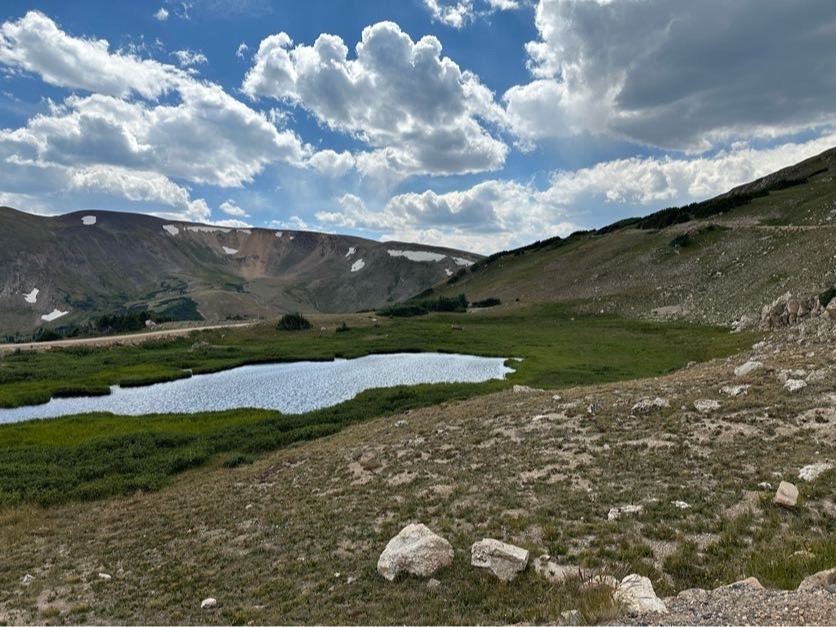
Rocky Mountain National Park: A Complete Guide to Colorado’s Iconic High-Altitude Wilderness
Nestled in the heart of the Colorado Rockies, Rocky Mountain National Park (RMNP) stands as one of the most spectacular wilderness areas in the United States. Spanning more than 415 square miles of rugged mountains, alpine lakes, and diverse ecosystems, it attracts millions of visitors every year who come to hike, photograph wildlife, enjoy high-alpine scenery, and experience Colorado’s legendary outdoors.
For travelers, hikers, and adventure seekers—including those exploring the state with companies like Colorado Mountain Expeditions—RMNP offers endless opportunities to connect with nature. From windswept tundra above 12,000 feet to lush meadows bursting with wildflowers, the park is a place where the forces of geology, climate, and biology collide to create one of the most dynamic landscapes in North America.
A Geological Masterpiece Millions of Years in the Making
The terrain of Rocky Mountain National Park tells the dramatic story of Earth’s evolution. Ancient volcanic activity, immense tectonic movements, and repeated glacial cycles shaped the sharp ridgelines and deep valleys that define the region today.
The Rise of the Colorado Rockies
The Rocky Mountains formed roughly 70 million years ago during the Laramide Orogeny, a massive mountain-building event that pushed ancient rock toward the sky. Today, the peaks rise abruptly from the plains, creating one of America’s most iconic mountain profiles.
Glaciers and Erosion: Nature’s Sculptors
During the last Ice Age, enormous glaciers carved U-shaped valleys, polished rock faces, and left behind the lakes and cirques that visitors admire today. Trails such as Glacier Gorge and Emerald Lake offer some of the best glimpses into the park’s icy past.
Longs Peak: The Monarch of RMNP
No feature is more recognizable than Longs Peak, the park’s tallest mountain at 14,259 feet. Its dramatic east face—The Diamond—is famous among climbers, while its summit is a coveted challenge for experienced hikers. On clear days, the peak can be seen from Denver and much of the Colorado Front Range, serving as a stunning symbol of the state.
This varied geology creates a remarkable diversity of habitats—one of the reasons RMNP is such a prime destination for hikers, outdoor travelers, and wilderness-based adventure programs like Colorado Mountain Expeditions.
A Biodiversity Hotspot: Wildlife and Ecosystems of RMNP
Rocky Mountain National Park is home to an impressive collection of wildlife and one of the West's most diverse ecological zones.
Elevation Creates Variety
The park’s ecosystems change dramatically with altitude:
-
Montane forests filled with ponderosa pine and aspen
-
Subalpine regions dominated by spruce and fir
-
Alpine tundra above 11,000 feet, where hardy plants cling to life
This vertical variety supports more than 300 species of birds, dozens of mammals, and a broad array of plants that bloom from June through August.
Wildlife You Might See
Some of the park’s most iconic animals include:
-
Elk, especially visible in Moraine Park and Horseshoe Park
-
Rocky Mountain bighorn sheep, often spotted on high cliffs
-
Moose, which thrive in marshy areas along the Kawuneeche Valley
-
Black bears, though they are more elusive
-
Pikas and marmots, beloved residents of the tundra zone
The Elk Rut: A Must-See Colorado Event
Each fall, the meadows echo with the haunting bugles of bull elk competing for mates. The spectacle draws thousands of visitors and has become one of RMNP’s most famous natural events. For photography groups and guided trips—like those Colorado Mountain Expeditions offers in other regions of Colorado—this is an unforgettable experience.
A Tapestry of Wildflowers
In summer, meadows explode with color. Columbine, Indian paintbrush, alpine avens, and lupine brighten the trails. The higher you hike, the more dramatic the short-lived but spectacular wildflower season becomes.
Top Things to Do: Outdoor Adventure in Rocky Mountain National Park
With over 300 miles of trails and endless viewpoints, RMNP is a dream destination for hikers, backpackers, photographers, and outdoor travelers.
Hiking: The Park's Most Popular Activity
Whether you enjoy leisurely nature walks or long alpine climbs, RMNP has something for everyone. Popular hiking areas include:
-
Bear Lake Corridor – Easy and moderate lakeside hikes with spectacular scenery
-
Glacier Gorge – Iconic destinations such as Mills Lake and Sky Pond
-
The Loch Valley – A dramatic glacial basin surrounded by rugged peaks
-
Twin Sisters Trail – A challenging but rewarding summit hike
-
Trail Ridge Road overlooks – Short, high-altitude nature trails
These areas are especially popular during summer and fall, and hikers often benefit from early starts to avoid crowds and afternoon storms.
Climbing and Mountaineering
Rocky Mountain National Park is a world-class climbing destination. From the massive alpine walls of the Diamond to classic multi-pitch routes throughout the park, climbers find endless challenges.
Longs Peak remains the most famous summit, but its Keyhole Route is difficult and requires preparation, experience, and proper weather. Many adventurers use RMNP as training for more challenging mountaineering goals or as part of broader outdoor travel programs in Colorado.
Water Activities
The park’s lakes and streams offer serene opportunities for:
Winter in RMNP
Once the snow arrives, the park transforms. Popular cold-season activities include:
-
Snowshoeing around Bear Lake and Bierstadt Moraine
-
Cross-country skiing on the west side of the park
-
Winter wildlife viewing
-
Scenic, uncrowded winter photography
This quiet season offers solitude and peaceful access to winter landscapes that are often overlooked by summer travelers.
Conservation Challenges: Protecting a Fragile Landscape
Although RMNP is protected, it faces increasingly complex threats.
Visitor Pressure
Millions of visitors annually place stress on trails, wildlife, and alpine vegetation. To reduce impact, the park uses timed entry systems during peak months and invests heavily in trail maintenance and visitor education.
Climate Change
Warming temperatures are altering snowpack levels, increasing wildfire risk, and shifting habitats for cold-adapted species such as pikas. Melting glaciers and changing precipitation patterns are reshaping the park’s waterways and ecosystems.
Sustainability and Stewardship
Organizations across Colorado—including outdoor travel groups like Colorado Mountain Expeditions—are placing growing emphasis on Leave No Trace ethics, wilderness stewardship, and responsible recreation to ensure Colorado's landscapes remain healthy for generations.
Cultural and Historical Importance
RMNP is not only a natural wonder—it is also a landscape rich with cultural heritage.
Indigenous History
For thousands of years, the Ute and Arapaho peoples lived, hunted, and traveled through the region. Many sites within the park hold deep cultural and spiritual meaning.
Early Conservation Movements
The park exists largely thanks to the efforts of Enos Mills, a passionate naturalist who championed the preservation of Colorado’s wilderness. His advocacy helped create RMNP in 1915 and shaped the national conservation ethic that continues today.
Today, educational programs highlight both Indigenous cultural connections and the legacy of America’s early conservationists.
Why RMNP Matters—Today and in the Future
Rocky Mountain National Park embodies the best of Colorado’s wild landscapes. Its peaks, lakes, forests, and wildlife bring people together in search of adventure, healing, and connection.
Outdoor enthusiasts—including those exploring the state on guided adventures, hiking vacations, and wilderness programs—find inspiration in RMNP’s sweeping mountain views and high-alpine environments.
As environmental pressures increase, responsible recreation, education, and stewardship are crucial to protecting this extraordinary place. Through collaborative conservation efforts, sustainable tourism, and an appreciation of the natural world, the beauty of RMNP can endure for generations.