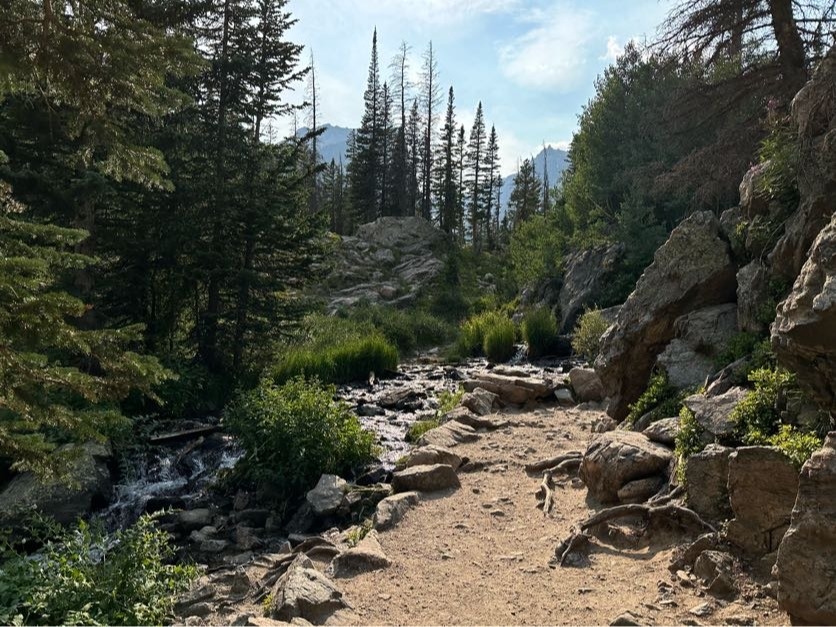
Backpacking in Rocky Mountain National Park: An Adventurer’s Paradise
Backpacking in Rocky Mountain National Park (RMNP) is one of the most immersive ways to experience Colorado’s wild beauty. With towering peaks, pristine alpine lakes, abundant wildlife, and more than 400 square miles of protected wilderness, RMNP draws hikers and backpackers from around the world. Whether you’re heading out on a multi-day expedition, joining a guided backpacking trip with Colorado Mountain Expeditions, or planning your first overnight experience in the Rockies, this remarkable landscape delivers challenge, inspiration, and adventure.
This comprehensive guide explores the essentials of backpacking in RMNP—trail planning, permits, safety tips, packing strategies, and what makes this park such a jewel for backcountry explorers.
The Allure of Rocky Mountain National Park
Established in 1915, RMNP spans 415 square miles of rugged mountains, subalpine valleys, montane forests, and fragile alpine tundra. Peaks like Longs Peak, Flattop Mountain, and Hallett Peak dominate the skyline, shaping a dramatic landscape that backpackers can experience up close.
The park is home to more than 300 miles of trails, offering everything from gentle backcountry routes to demanding high-elevation traverses. Wildlife thrives in the region’s varied ecosystems—elk, mule deer, bighorn sheep, marmots, and black bears are frequent sightings. When backpacking through RMNP, the feeling of stepping into a living, breathing wilderness is immediate.
For adventurers seeking a deeper connection to nature, backpacking provides something day hiking cannot: quiet campsites beneath star-filled skies, sunrise views from remote ridges, and a rhythm that slows life down to the essentials. It’s no wonder RMNP is one of the core destinations for Colorado Mountain Expeditions as the company expands its portfolio of guided mountain adventures across the state.
Planning Your Backpacking Trip in RMNP
A successful RMNP backpacking trip begins with preparation. Since the park receives millions of visitors each year, understanding its permit system, weather, trail layout, and regulations is crucial—especially for overnight travel.
Choosing the Right Trail
Rocky Mountain National Park features backpacking routes suitable for beginners and seasoned adventurers alike. Some popular starting points and areas include:
1. Bear Lake Trailhead
One of RMNP’s most iconic access points, Bear Lake connects to several excellent backpacking routes. Options include:
-
Fern Lake (9.4-mile loop) – Accessible, scenic, and great for moderate backpackers.
-
Sky Pond / Glacier Gorge (20-mile loop) – A challenging high-elevation route offering waterfalls, dramatic cliffs, and glacier-carved valleys.
2. North Inlet / East Inlet (Grand Lake Side)
These less-crowded trails lead to waterfalls, serene lakes, and expansive meadows—ideal for multi-day backpacking.
3. Longs Peak Area
While the Longs Peak summit route is extremely strenuous, surrounding backcountry zones offer alpine experiences without the technical demands of the peak itself.
When selecting a route, consider:
-
Distance & elevation gain
-
Your group’s experience level
-
Seasonal conditions (snow lingers well into summer)
-
Availability of designated backcountry campsites
-
Your goals (scenery, solitude, challenge, photography, etc.)
Many backpackers choose to travel with guides—such as those leading the Colorado Mountain Expeditions RMNP backpacking trips—to help with route planning, safety, and logistics.
Permits and Regulations
The National Park Service requires a wilderness permit for all backcountry camping in RMNP. Reservations open early each spring and book quickly, especially for peak summer and fall dates.
Key permit considerations:
-
You must stay at designated backcountry campsites.
-
Group size limits are enforced.
-
Bear canisters are mandatory at nearly all sites.
-
Many zones prohibit campfires.
-
You must follow Leave No Trace practices at all times.
Backpacking with an outfitter like CME can simplify the permitting process, as guides handle reservations, campsite selection, and compliance with park rules.
Packing Essentials for Rocky Mountain Backpacking
The high-elevation terrain, variable weather, and challenging conditions of Rocky Mountain National Park make proper packing essential. Overnight backpackers should bring:
-
A durable backpack (50–65L is typical)
-
Lightweight tent or hammock with rainfly
-
Sleeping bag rated for mountain temps (often near freezing)
-
Sleeping pad for warmth and comfort
-
Stove & fuel, cookware, and utensils
-
High-calorie, packable food
-
Water purification system
-
Layered clothing system:
-
Base layers
-
Insulating mid-layers
-
Waterproof outer shell
-
Extra socks, hat, gloves
-
Bear canister
-
Map, compass, or GPS
-
First-aid kit
-
Sun protection (UV is strong above 8,000 ft)
-
Microspikes or traction devices in shoulder seasons
Colorado Mountain Expeditions emphasizes gear preparedness on their guided Colorado backpacking trips, ensuring participants are equipped safely and comfortably.
The Journey Through Rocky Mountain National Park
Once on the trail, backpackers are rewarded with near-constant beauty. RMNP offers an extraordinary mix of:
Alpine Lakes
Sky Pond, Lake Haiyaha, Chasm Lake, Black Lake, and Timber Lake are among the most photogenic destinations in the Rockies.
Wildflower Meadows
Summer unveils vibrant displays of columbine, paintbrush, and alpine sunflowers.
Rugged Peaks & Scenic Ridges
The Continental Divide slices through the park, providing endless viewpoints for sunrise and sunset.
Wildlife Sightings
Elk herds are common, especially near meadows at dawn and dusk. Moose, marmots, pika, and bighorn sheep add to the park’s wilderness character.
Each campsite offers its own memorable atmosphere—from peaceful forests to exposed ridges with sweeping panorama views. Spending the night in RMNP’s backcountry is an experience many hikers call transformative.
Physical and Mental Challenges
Backpacking in Rocky Mountain National Park tests both stamina and mindset. High elevation, steep terrain, and unpredictable weather require resilience.
Common challenges include:
However, these challenges are part of the reward. Reaching a summit, crossing a high pass, or arriving at a remote campsite delivers a sense of accomplishment that makes every step worthwhile. Many hikers choose joining a Colorado Mountain Expeditions guided backpacking trip specifically for the safety, direction, and encouragement of an experienced guide.
Safety Considerations for RMNP Backpacking
Weather Awareness
Mountain weather changes quickly. Snow, hail, lightning, or intense sun can occur in the same day. Always:
Wildlife Safety
Proper food storage is essential. Use:
In case of a wildlife encounter:
Navigation
While RMNP trails are generally well marked, snow cover, fog, and junctions can cause confusion. Carry:
Colorado Mountain Expeditions places strong emphasis on wilderness safety training, navigation skills, and responsible stewardship of Colorado’s trails.
The Spirit of Adventure in Rocky Mountain National Park
Backpacking in RMNP is more than a hike—it’s a journey into some of Colorado’s most extraordinary terrain. Multi-day trips deepen your connection to wilderness, broaden your outdoor skills, and provide memories that last a lifetime.
Whether you’re planning your own backcountry adventure or joining a CME guided backpacking trip in Colorado, RMNP offers:
As interest in outdoor recreation continues to grow, protecting parks like RMNP becomes increasingly important. Practicing Leave No Trace ensures these wild landscapes remain pristine for future generations.
For hikers ready to answer the call of the mountains, Rocky Mountain National Park promises adventure, discovery, and breathtaking beauty at every turn.