Conquering Longs Peak: A Complete, SEO-Optimized Guide to Summit Colorado’s Iconic Fourteener
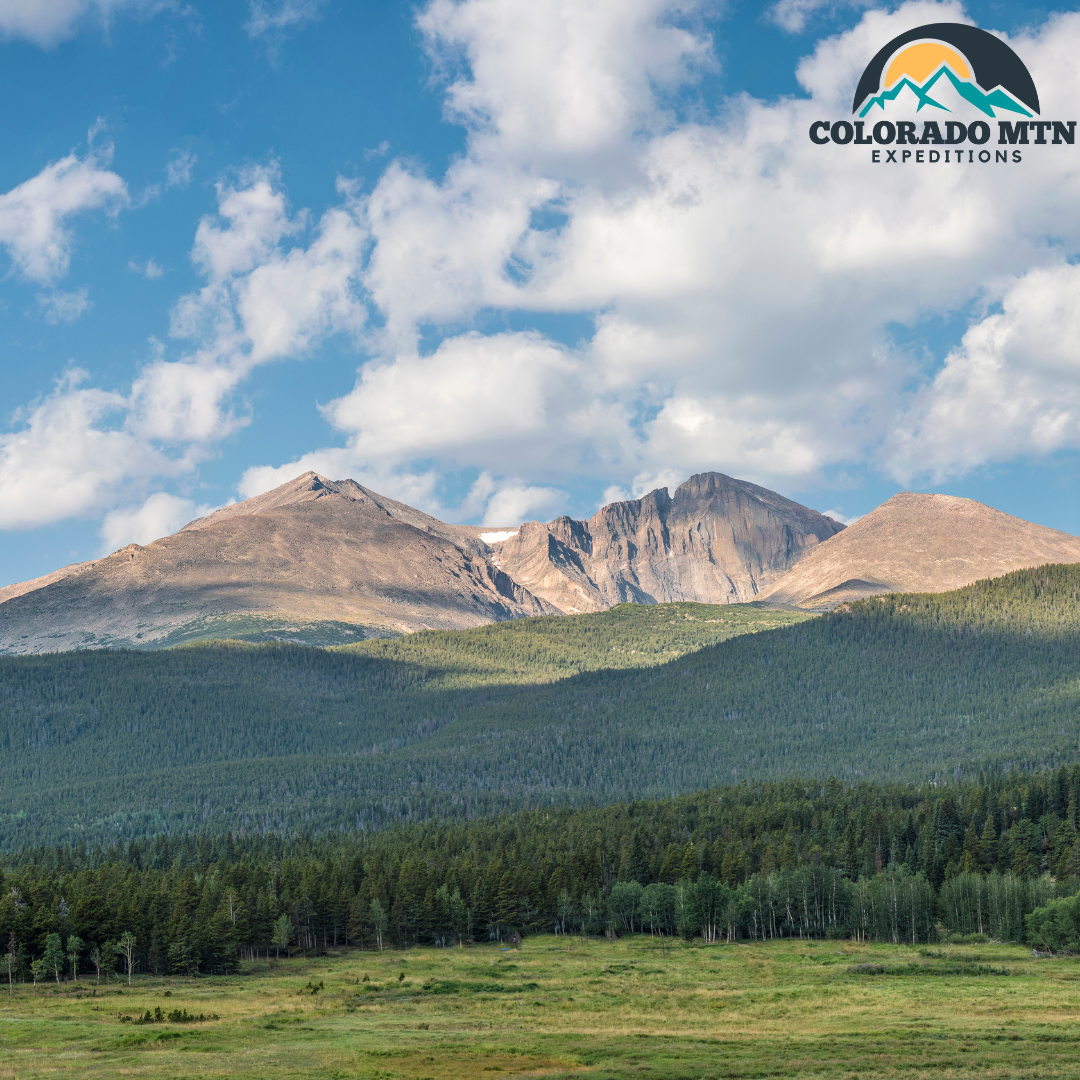
Rising to 14,259 feet, Longs Peak towers above the surrounding landscape as one of the most iconic mountains in Rocky Mountain National Park (RMNP) and the entire state of Colorado. Known for its dramatic profile, rugged terrain, and sweeping summit views, Longs Peak draws thousands of ambitious hikers every year who want to stand atop one of the most recognizable fourteeners in the Rockies.
Whether you're planning your very first attempt or returning for another shot at the summit, this comprehensive guide covers everything you need to know—including preparation tips, a detailed trail overview, insider safety advice, and how Colorado Mountain Expeditions can support your adventure through professionally guided basecamp hiking trips in the region.
Why Longs Peak Is One of Colorado’s Most Legendary Summits
Longs Peak is often described as the crown jewel of Rocky Mountain National Park. Its towering cliffs, exposed ridges, and the unmistakable sheer “Diamond” face make it one of the most photographed mountains in Colorado. The peak is named after Major Stephen H. Long, an explorer who led early expeditions across the American West in the 1800s.
Situated on the Front Range, Longs Peak offers hikers a journey through multiple ecosystems—towering pine forests, windswept tundra, vast boulder fields, and technical alpine terrain—before rewarding them with one of the most unforgettable summit panoramas in the Rockies.
But despite its popularity, Longs Peak is not an easy climb. The route demands physical fitness, mental toughness, and careful planning. Understanding the trail, weather patterns, and altitude challenges is essential for a safe and successful summit.
Preparing for Your Longs Peak Adventure
Summiting Longs Peak via the Keyhole Route requires commitment. It is a 15–16 mile round trip hike with significant exposure, variable terrain, and an elevation gain of more than 5,000 feet. Proper preparation is key.
Physical Conditioning
To prepare for Longs Peak, focus on:
-
Cardiovascular endurance (running, stair climbing, hill intervals)
-
Leg strength (squats, lunges, step-ups, weighted hikes)
-
Pack training, ideally at moderate altitude
-
Long-duration hikes of 7–10 miles with elevation gain
Hikers coming from lower elevations should strongly consider spending time acclimatizing in Estes Park or the surrounding region.
Essential Gear Checklist
Having the right gear can make the difference between a great hike and a dangerous one:
-
Sturdy hiking boots with grippy soles
-
Layered clothing, including insulating layers and a waterproof shell
-
Hydration system (minimum 3 liters of water recommended)
-
High-calorie snacks
-
Headlamp for the required early-morning start
-
GPS, compass, and map
-
Lightweight gloves and warm hat (even in summer)
-
Emergency kit including blister care, tape, and basic first aid
Weather on Longs Peak is unpredictable—even in July and August—so always plan for wind, rain, and sudden cold.
Acclimatization
Altitude affects everyone differently. Spending a day or two at high elevation—whether in Estes Park, at a nearby campground, or as part of a Colorado Mountain Expeditions basecamp hiking trip—can significantly reduce the risk of altitude sickness.
The Keyhole Route: What to Expect on the Trail
The Keyhole Route is the classic and most traveled path to the summit. Although not a technical climb, it does involve exposed scrambling, uneven footing, and steep sections that require care and confidence.
1. Trailhead to Tree Line
Your hike begins at the Longs Peak Trailhead off Highway 7. Most hikers start between 1:00–4:00 AM to avoid afternoon storms.
The first portion winds through dense pine forest and gradually climbs toward the alpine zone. Views begin to open as you reach Chasm Junction, where the dramatic profile of the Diamond emerges.
2. The Boulder Field
Above tree line, the landscape becomes increasingly rugged. The trail leads directly into the Boulder Field, an uneven, rocky expanse requiring careful foot placement and patience. This is where many hikers stop for a break before attempting the Keyhole.
3. The Keyhole
The Keyhole is a distinct rock portal marking the transition from traditional hiking to true alpine scrambling. High winds are common here, and once you pass through, the terrain grows significantly more exposed.
4. The Ledges, The Trough, and The Narrows
These three features are the most technically challenging sections of the climb. They involve:
Red-and-yellow bullseye markers guide you across the rock slabs.
5. The Homestretch and the Summit
The final push requires scrambling up smooth, angled rock slabs. Once you crest the top, the broad summit of Longs Peak opens up, offering expansive views of RMNP, the Continental Divide, and much of northern Colorado.
The summit is unforgettable—but you are only halfway done. Descending safely is equally important.
Wildlife and Scenery Along the Route
Longs Peak offers exceptional opportunities to see Colorado wildlife, including:
The alpine tundra, which hikers traverse after leaving the forest, is one of the rarest ecosystems on Earth. In summer, colorful wildflowers cling to life in the rocky soil, thriving in one of the harshest climates in the lower 48 states.
Safety Considerations: What Every Hiker Should Know
Longs Peak is beautiful—and dangerous. It consistently ranks among Colorado’s most challenging fourteeners due to exposure, weather, and physical strain.
Weather
Afternoon thunderstorms are nearly guaranteed in midsummer. Lightning is the number one hazard. Always:
-
Start early
-
Summit before noon
-
Watch clouds constantly
-
Be willing to turn back
Altitude Awareness
Symptoms of altitude sickness include:
-
Headache
-
Fatigue
-
Nausea
-
Dizziness
If symptoms worsen, descend immediately.
Exposure
Many sections require hand-and-foot scrambling. If you are uncomfortable with heights or unstable terrain, consider going with an experienced guide or joining a structured trip.
Enhance Your Longs Peak Experience with Colorado Mountain Expeditions
For hikers who want expert leadership, stress-free planning, and a supportive group atmosphere, a basecamp hiking trip with Colorado Mountain Expeditions (CME) is an excellent option. CME specializes in guided hiking trips in Colorado, offering immersive, educational, and adventure-focused experiences.
Why Choose a CME Basecamp Trip?
Professional, Experienced Guides
CME guides understand Colorado’s terrain, weather patterns, geology, and ecology. They not only lead the route but enrich the experience with local insight and safety expertise.
Comfortable Basecamp Setup
Instead of lugging heavy gear or navigating campground logistics, participants relax at a fully prepared basecamp—allowing more energy for the hike itself.
Group Support and Camaraderie
Hiking with a group creates motivation, safety, and a shared sense of accomplishment. Many participants form lifelong friendships.
Safety-Focused Planning
CME staff continuously monitor weather forecasts, trail conditions, and group dynamics to ensure the best possible summit opportunity.
Whether you’re training for future peaks or checking off a longtime bucket-list hike, a CME-guided trip helps maximize safety, success, and enjoyment.
Conclusion: Answer the Call of Colorado’s High Country
Standing on top of Longs Peak is a Colorado experience like no other. The journey blends physical challenge, breathtaking scenery, rich geological history, and unforgettable personal achievement.
With the right preparation—and, for many hikers, the expertise of Colorado Mountain Expeditions—the summit is within reach. Lace up your boots, gear up, plan ahead, and embrace the adventure.
Longs Peak is calling. Will you answer?