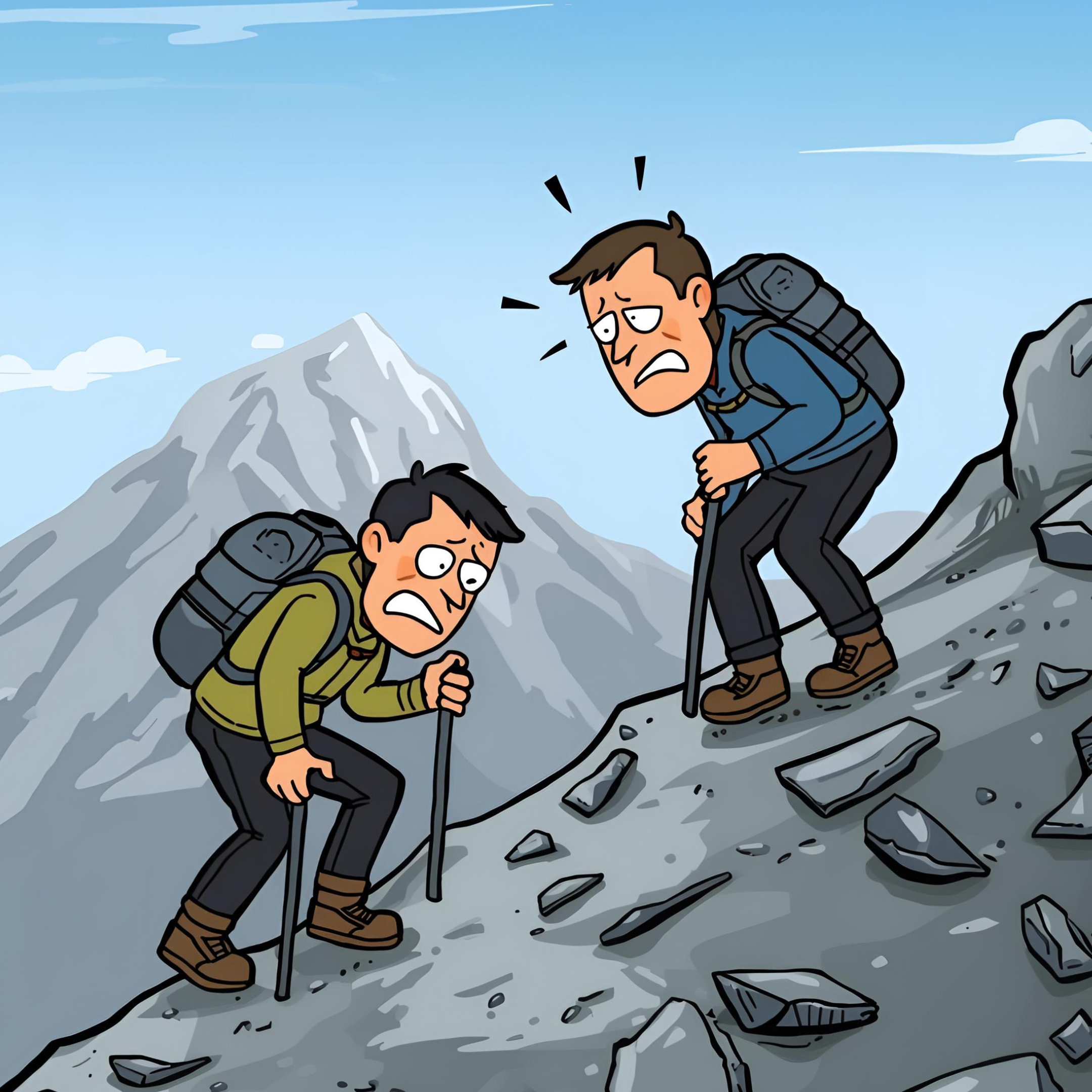
For many hikers, elevation gain is the real challenge. Distance matters, but it’s vertical feet that tend to break people down. A hike with a modest number of miles can feel brutally difficult if it packs in sustained climbing, especially early in the season when your body hasn’t adjusted yet.
Every year, hikers head out excited for summer, only to discover that their legs and lungs aren’t ready for long ascents. Elevation gain exposes weaknesses in conditioning quickly. The good news is that with focused training, climbing can become one of the most rewarding parts of hiking rather than something to dread.
Training for elevation gain isn’t about pushing yourself to exhaustion. It’s about building specific strength, aerobic capacity, and mental familiarity with climbing so your body knows exactly what to do when the trail points uphill.
Why Elevation Gain Feels So Different
Elevation gain stresses your body in a unique way. Climbing requires continuous power from the legs while maintaining steady breathing and posture. There’s rarely a true break, and the effort often feels relentless.
As elevation increases, oxygen availability decreases, making climbs feel harder even at the same pace. The steeper the grade, the more your body relies on muscular endurance and aerobic efficiency.
Unlike flat hiking, climbing leaves little room for sloppy movement. Poor pacing or inefficient technique can drain energy quickly. Training specifically for this demand prepares your body to handle sustained effort without spiraling into fatigue.
Building a Climbing-Specific Mindset
One of the biggest challenges of elevation gain is mental. Long climbs can feel intimidating, especially when you know they’ll last for hours.
Training helps normalize that sensation. When your workouts include sustained climbing or climbing-like effort, your brain learns that the discomfort is manageable and temporary.
This mental adaptation is just as important as physical fitness. Familiarity builds confidence, and confidence makes climbs feel more achievable.
Approach elevation training with patience. The goal is steady improvement, not instant dominance over steep terrain.
Stair Climbing: The Most Accessible Elevation Tool
Stair climbing is one of the most effective ways to train for elevation gain, especially when trails are snow-covered or inaccessible.
Stairs force vertical movement, build leg strength, and elevate heart rate in a way that closely resembles hiking uphill. They’re also easy to scale in intensity.
Focus on steady, continuous climbing rather than sprinting. Keep your posture upright, engage your core, and use controlled breathing.
Longer stair sessions at a moderate pace build endurance more effectively than short, high-intensity bursts. Over time, stairs teach your body to handle sustained climbing without panic or excessive fatigue.
Hill Training for Real-World Terrain
If you have access to hills, use them. Hill walking or hiking is one of the best ways to prepare for elevation gain because it closely mirrors real trail conditions.
Start with shorter climbs and gradually increase duration and grade. Pay attention to pacing. Slower, consistent effort builds endurance better than charging uphill and needing frequent breaks.
Downhill training matters too. Controlled descents build eccentric strength in the legs and help prepare you for the full hiking experience.
Hill training improves both physical fitness and trail awareness, making it invaluable for summer preparation.
Step-Ups as a Climbing Foundation
Step-ups play a critical role in elevation training. Each step-up reinforces the movement pattern used during climbing and strengthens the muscles responsible for upward propulsion.
Incorporate step-ups into your strength routine with an emphasis on endurance. Use moderate weight and higher repetitions to mimic sustained climbing.
Focus on smooth, controlled movement rather than speed. Step-ups train both legs independently, reducing imbalances that can become obvious on long climbs.
This exercise bridges the gap between gym training and real-world elevation gain.
The Importance of Pacing on Climbs
One of the most common mistakes hikers make is climbing too fast early on. Elevation gain rewards patience.
Training is the ideal place to practice pacing. Learn what a sustainable effort feels like. You should be breathing harder but still able to maintain rhythm and control.
Practicing steady pacing in training helps you avoid burnout on the trail. It also makes climbs feel more predictable and manageable.
Efficient pacing conserves energy and improves overall hiking performance.
Breathing Techniques for Uphill Effort
Breathing becomes especially important during climbs. Shallow or erratic breathing increases fatigue and anxiety.
Practice deep, rhythmic breathing during uphill training. Match your breath to your steps if possible. This helps regulate effort and maintain momentum.
Over time, efficient breathing becomes automatic, allowing you to focus on movement rather than discomfort.
Breathing control is a simple but powerful tool for managing elevation gain.
Strength Training to Support Climbing
Elevation gain places heavy demands on the legs and core. Strength training supports climbing by improving power, endurance, and joint stability.
Exercises like squats, lunges, step-ups, and deadlifts all contribute to climbing strength. Focus on moderate loads and controlled movement.
Endurance-based strength training, such as higher-rep sets or longer time under tension, is particularly useful for climbers.
Strong legs make elevation feel less taxing and more sustainable.
Training With Weight for Added Challenge
Carrying weight increases the difficulty of climbing significantly. Adding pack weight to training sessions prepares your body for real hiking conditions.
Start with light weight and gradually increase. Focus on maintaining good posture and controlled movement.
Weighted stair climbs or hill walks are especially effective. They condition your cardiovascular system and strengthen your legs and core simultaneously.
Training with weight builds confidence and resilience for longer hikes.
Managing Fatigue During Long Climbs
Fatigue is inevitable during elevation gain, but how you manage it makes a big difference.
Training teaches your body to recover while moving. Instead of stopping completely, practice reducing pace while maintaining forward progress.
This skill is invaluable on long climbs where stopping frequently can disrupt rhythm and make restarting harder.
Learning to work through manageable fatigue improves efficiency and mental toughness.
Gradual Progression Is Key
Elevation training should progress gradually. Increasing vertical gain too quickly can lead to overuse injuries or burnout.
Track your progress and increase duration or intensity incrementally. Small improvements add up over time.
Consistency over weeks and months produces far better results than sporadic, intense efforts.
Sample Elevation-Focused Workout
A simple elevation-focused workout might include:
Warm up with easy walking or dynamic movement.
Sustained stair climbing or incline walking for 30–60 minutes.
Optional pack weight for added challenge.
Cool down with light movement and stretching.
This type of workout builds endurance and confidence without excessive strain.
Mental Strategies for Long Climbs
Break long climbs into smaller sections. Focus on reaching the next landmark rather than the top.
Maintain positive self-talk and steady breathing. Training builds familiarity with discomfort, making it easier to stay composed.
Mental resilience grows with experience and consistency.
Preparing for Summer’s Biggest Objectives
Training for elevation gain early in the season sets you up for success all summer long. When the snow melts and trails open, your body will already be prepared.
Climbs feel less intimidating, recovery is quicker, and confidence grows with every ascent.
Elevation gain doesn’t have to be a barrier. With focused training, it becomes an opportunity to explore higher, farther, and more comfortably.