What Happens at Camp on a Guided Colorado Trail Trek?
After spending hours hiking through Colorado's mountains, arriving at camp is one of the best parts of a multi-day trek. You can take off your hiking boots, enjoy a hot meal, relax with your fellow hikers, and prepare for another day on the trail.
But what does camp life actually look like on a guided Colorado Trail trek?
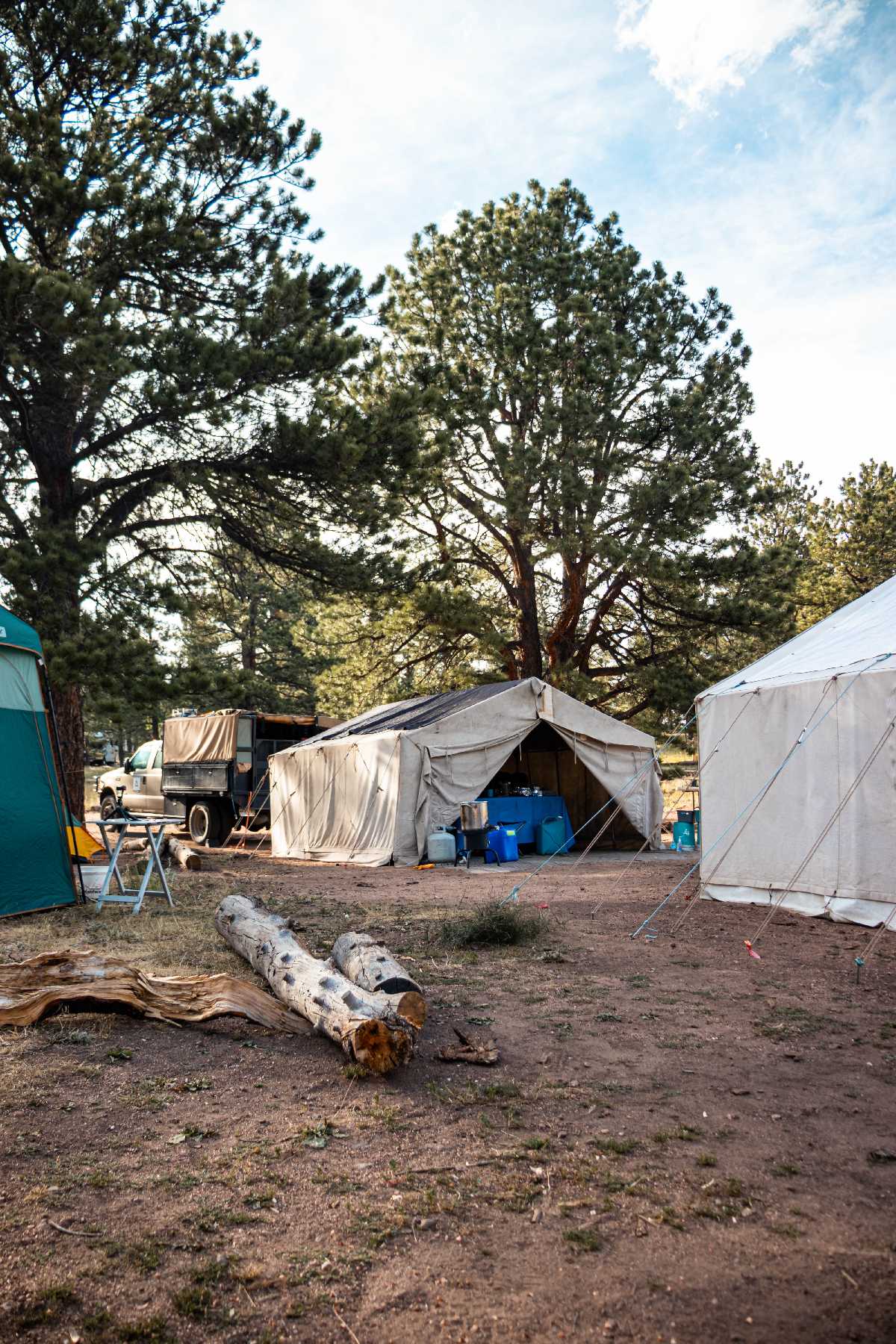
With Colorado Mountain Expeditions, camp is more than a place to sleep. CME transports camping equipment between campsites and provides a comfortable base for guests to eat, relax, and recharge. Guides prepare hot breakfasts and dinners, and shared kitchen and living tents offer space to gather outside your personal sleeping tent.
If you're considering a guided Colorado hiking trip but aren't sure what to expect once the hiking day ends, here's a closer look at life in camp.
Arriving at Camp After a Day of Hiking
A typical day on the Colorado Trail can involve miles of mountain terrain, sustained climbs, and significant elevation changes. Depending on the itinerary, you may spend much of the day hiking before reaching camp.
On a supported CME trek, you don't have to carry your entire overnight camping setup along the trail. CME transports camping equipment between campsites, allowing you to hike with a daypack instead of a full backpack loaded with your sleeping and camping gear.
When you arrive at camp, you can settle in, organize your personal belongings, and prepare for the evening.
The exact arrival time depends on the day's mileage, terrain, weather, and group pace. Some days will be more demanding than others, so the amount of time available to relax can vary.
The goal is to give you a place to recover after the day's effort and get ready for the next section of the trail.
Do You Have to Set Up Your Own Tent?
Yes. Guests are responsible for setting up and taking down their own personal sleeping tents.
Although CME transports camping equipment between campsites, you should still be prepared to manage your own sleeping tent. If you haven't camped much before, practice pitching and packing your tent at home before your trip.
Knowing how your tent works makes camp setup easier, particularly when you're tired after a long day of hiking or dealing with changing weather.
Bring the sleeping equipment specified for your particular trip, and check the registration information for details about what is provided and what you need to bring yourself.
Once your tent is set up, you can organize your sleeping area and enjoy the rest of the evening.
Shared Kitchen and Living Tents
One of the advantages of a supported Colorado Trail trek is having shared spaces where you can gather outside your personal sleeping tent.
CME's camp setup includes kitchen and living tents that provide space for meal preparation and group gatherings.
These shared areas offer a place to sit, enjoy meals, talk with other hikers, and spend time together after a day outdoors.
Mountain weather can change quickly, and evenings at higher elevations can be chilly even during summer. Having a designated shared space can make camp more comfortable when the temperature drops or conditions are less inviting.
Camp is also an opportunity to get to know your guides and fellow hikers. You may find yourself swapping stories about the day's trail, discussing the scenery, or talking about what lies ahead.
What Do You Eat at Camp?
Food is a major part of the CME camp experience.
Guides prepare hot breakfasts and dinners, giving you substantial meals before and after your hiking day. CME does not rely on freeze-dried meals as its standard camp dining experience.
Breakfast helps you get ready for the day's miles, while dinner gives you an opportunity to refuel after hours on the trail.
CME also provides lunch and snacks according to the arrangements for your trip. During the hiking day, you'll carry the food and water you need in your daypack.
Exact menus and meal arrangements may vary. Review the registration page for your specific trek for current information about food, dietary requirements, and what you should bring.
If you have food allergies or other dietary needs, contact CME in advance to discuss your requirements and confirm what accommodations are possible.
Is There Time to Relax at Camp?
The amount of free time you have depends on the day's itinerary and conditions.
After a shorter hiking day, you may have more time to settle in, enjoy dinner, socialize, and prepare for the following morning. On a longer day, camp routines may need to move more quickly so everyone can eat, organize their equipment, and get enough rest.
You should not expect every evening to feel like a leisurely camping vacation. Multi-day hiking requires planning, and the next day's start time may mean getting to bed earlier than you normally would.
Still, camp provides an opportunity to slow down after a day of physical effort.
You can organize your gear, check your feet for hot spots, refill water according to your guide's instructions, and prepare the clothing you'll need in the morning.
A little preparation before going to sleep can make the next day's departure much smoother.
What About Showers and Other Comforts?
Outdoor camping is different from staying at a hotel, and guests should arrive with realistic expectations.
CME's basecamp setup includes a shower, shared kitchen and living tents, cold drinks, and a coffee and tea bar. These amenities add comfort to the experience, although facilities and arrangements can vary depending on the specific trip and campsite.
Do not assume that every campsite on a multi-day route will have the same facilities as a developed campground or the company's basecamp.
Review the trip information to understand the facilities available for your itinerary, and ask CME if you have questions about shower access, bathrooms, water, or other camp amenities.
Even with additional comforts, you'll still be spending nights outdoors in Colorado's mountain environment. Temperatures can drop substantially after sunset, and conditions can change quickly.
Bring the clothing and personal equipment recommended for your trip so you can remain comfortable as conditions change.
How Do You Prepare for the Next Day?
Camp isn't just about relaxing. It's also where you prepare for another day of hiking.
A few simple habits can help make consecutive days on the Colorado Trail more manageable.
Organize your daypack. Make sure your personal hiking essentials, rain gear, extra layers, snacks, and other required items are ready for the morning.
Check your feet. Pay attention to hot spots, blisters, and areas of irritation before they become more serious problems.
Prepare your clothing. Mountain mornings can be cold, so have the layers you'll need accessible rather than buried at the bottom of your gear.
Follow your guide's instructions. Your guide can provide information about the next day's route, expected conditions, departure time, and any specific preparations you need to make.
Get adequate rest. Consecutive days of hiking can be demanding. Use the evening to recover rather than staying up late and making the next morning more difficult.
These routines don't require much time, but they can make a meaningful difference during a multi-day trek.
What Is Different About Supported Camping?
Traditional backpacking generally requires hikers to carry their sleeping equipment, shelter, food, and other overnight supplies in their packs. They also manage their own camp setup and meal preparation.
CME's supported Colorado Trail treks work differently.
You hike with a daypack while CME transports camping equipment between campsites. Guides prepare hot breakfasts and dinners, and shared kitchen and living tents provide additional space and comfort at camp.
You still participate in camp life, including setting up and taking down your own sleeping tent. You also need to carry the personal items and hiking essentials specified for your trip.
The difference is that you can experience consecutive days on the Colorado Trail without carrying a full backpack and managing every aspect of the camping logistics yourself.
For hikers who want to concentrate on the trail, enjoy prepared meals, and spend their evenings in a comfortable camp environment, this can be an appealing way to experience Colorado's mountains.
What Should You Bring for Camp?
Your exact equipment list depends on the trip, so always follow the packing information provided by CME.
In general, you should pay attention to the following categories:
-
Sleeping equipment: Bring the personal sleeping equipment specified for your trek.
-
Warm clothing: Even summer evenings in the mountains can be cold.
-
Rain protection: Weather can change quickly in Colorado's high country.
-
Personal hygiene items: Bring the toiletries and other personal supplies you need.
-
Foot care supplies: Items for treating hot spots and minor foot irritation can be useful on consecutive hiking days.
-
A headlamp or flashlight: You'll want a reliable light source for moving around camp after dark.
-
A suitable daypack: You'll carry your personal hiking essentials, lunch, snacks, water, and any other items required during the day.
Don't assume that every item used at camp will be provided simply because the trip includes transported camping equipment. Check the current registration page and packing list before departure.
Experience Camp Life With Colorado Mountain Expeditions
For many hikers, the memories of a Colorado Trail trek extend beyond the miles covered during the day. They're also found in the evenings spent enjoying a hot meal, talking with fellow hikers, and settling into camp beneath the Colorado mountains.
Colorado Mountain Expeditions combines guided hiking with transported camping equipment, hot breakfasts and dinners prepared by guides, and shared spaces designed to make camp more comfortable.
You still get the experience of sleeping outdoors and spending consecutive days on the trail, but without having to carry a full backpack from campsite to campsite.
If that sounds like the kind of mountain adventure you're looking for, explore the available guided Colorado Trail treks and compare the itineraries, difficulty levels, and trip details.
Ready to experience the Colorado Trail? Visit Colorado Mountain Expeditions to explore available trips and find the trek that fits your hiking goals.
Disclaimer: This article was written with the assistance of artificial intelligence (AI) and may contain errors or outdated information. Camp facilities, amenities, and trip inclusions may vary, so confirm current details directly with Colorado Mountain Expeditions before relying on them. Before undertaking strenuous hiking or other outdoor activities, consult a qualified healthcare professional to determine what is appropriate for your fitness level and circumstances. For questions about camping equipment, outdoor preparation, and trip-specific safety, consult a qualified outdoor professional. Always follow current official guidance regarding weather, trail conditions, and outdoor safety.