How to Prevent Blisters on a Multi-Day Hiking Trip
Few things can ruin a hiking day faster than a painful blister. A small area of irritated skin might seem insignificant at first, but after several miles of walking, it can make every step uncomfortable. On a multi-day hiking trip, the problem can become even more frustrating because your feet need to recover while you're continuing to hike.
The good news is that many hiking blisters can be prevented with appropriate footwear, careful preparation, and early attention to irritation.
Whether you're preparing for a weekend hike or a multi-day Colorado Trail trek with Colorado Mountain Expeditions, taking care of your feet should be part of your trip preparation. Here's how to reduce your risk of blisters and what to do if you notice a hot spot developing.
What Causes Blisters When Hiking?
Most hiking blisters develop when repeated friction and pressure damage the outer layers of skin. Moisture can make the skin more vulnerable, while poorly fitting footwear can increase rubbing against your toes, heels, and other areas of your feet.
Several factors can contribute to blister formation:
-
Poorly fitting footwear: Shoes that are too tight, too loose, or shaped incorrectly for your feet can create excessive pressure and movement.
-
New or unfamiliar boots: Footwear that hasn't been tested on hikes may rub in unexpected places.
-
Moisture: Sweat, rain, stream crossings, and damp socks can contribute to skin irritation.
-
Long hiking days: Repeated steps create friction over extended periods.
-
Downhill hiking: Your feet may slide forward inside your shoes, increasing pressure on your toes.
-
Debris inside footwear: Small stones, grit, or wrinkles in socks can create concentrated pressure points.
On a multi-day trek, these factors can compound. A shoe that feels comfortable during a short walk may cause problems after several hours on uneven terrain.
The best approach is to identify potential problems before your trip and address irritation as soon as it begins.
Choose Hiking Footwear That Fits Properly
Footwear is one of the most important factors in blister prevention.
There is no single hiking boot or shoe that works for everyone. Foot shape, arch characteristics, toe-box width, terrain, pack weight, and personal preference all influence what feels comfortable.
When trying on hiking footwear, pay attention to several details.
Toe room: Your toes should have enough space to move without repeatedly striking the front of the shoe, especially when walking downhill.
Heel movement: Excessive heel slipping can create friction and irritation. The shoe should hold your heel securely without causing painful pressure.
Width: Footwear that squeezes the sides of your feet can create pressure points, while footwear that's too wide may allow excessive movement.
Overall comfort: Do not assume that painful pressure points will disappear simply because a shoe is marketed as a hiking boot.
Try footwear with the socks you expect to wear on your trip. If possible, test it on an incline and decline so you can evaluate how your feet move inside the shoe.
If you have persistent fitting problems or foot conditions that make footwear selection difficult, consider getting help from a qualified footwear specialist or healthcare professional.
Break In Your Footwear Before the Trip
One of the easiest ways to create avoidable problems is to wear unfamiliar footwear for the first time on a long hiking day.
Before your trip, take your shoes or boots on progressively longer walks and hikes. Pay attention to areas where you feel rubbing, pressure, or unusual warmth.
Start with shorter outings and gradually increase the duration as your comfort allows. Include hills and uneven terrain if those conditions are relevant to your planned trek.
This process helps you identify problems while you still have time to address them.
You can also use these outings to test your socks, lacing technique, and any insoles you plan to wear.
If a particular area consistently becomes irritated, don't simply hope it will improve during your trip. Reassess the footwear fit and consider getting professional advice before committing to several consecutive days of hiking.
Choose Socks That Help Manage Moisture
Socks play an important role in the comfort of your feet.
Many hikers prefer moisture-managing synthetic or merino wool hiking socks because they help move perspiration away from the skin. The right choice depends on your footwear, foot shape, conditions, and personal comfort.
Avoid assuming that the thickest sock is automatically the best option. A thick sock can make a shoe too tight, while a thin sock may not provide the fit or cushioning you need.
Test different sock options during training hikes rather than trying something new on the first day of your trip.
It can also be helpful to carry an extra pair. If your socks become wet from sweat or rain, changing into a dry pair when practical may improve comfort and reduce ongoing irritation.
Pay attention to wrinkles, seams, and areas where fabric bunches up. Even a small fold can create repeated friction over thousands of steps.
Keep Your Feet as Dry as Practical
You cannot always keep your feet completely dry while hiking in Colorado. Rain, wet vegetation, perspiration, and stream crossings can all introduce moisture.
However, managing moisture can help reduce irritation.
Consider changing socks when they become wet, allowing damp socks to dry when conditions permit, and drying your feet during longer breaks if necessary.
After arriving at camp, remove your hiking footwear and socks when conditions allow. Check your feet for redness, irritation, and developing hot spots.
If your footwear or socks are wet, take appropriate steps to dry them before the next hiking day. Avoid placing footwear too close to a fire, stove, or other heat source that could damage the materials or create a safety hazard.
Good foot care doesn't require elaborate equipment. It requires paying attention to your feet and making small adjustments before irritation gets worse.
Address Hot Spots Before They Become Blisters
A hot spot is an area of skin that begins to feel warm, irritated, or unusually sensitive because of friction or pressure. It may develop before a visible blister appears.
This is the time to act.
If you notice a hot spot while hiking, stop when it is safe and practical to do so. Remove your footwear and inspect the affected area.
Look for wrinkles in your socks, debris inside your shoe, or signs that your footwear is rubbing in one particular place. Correct the problem before continuing.
Depending on the location and condition of the skin, a suitable blister-prevention tape or protective dressing may help reduce further friction. Apply products according to their instructions, and avoid placing adhesive over damaged skin if doing so could worsen the injury.
Do not ignore increasing pain simply because the skin has not visibly blistered yet. Early intervention is often easier than dealing with an established blister.
Consider Lacing Techniques for Uphill and Downhill Hiking
The way you lace your hiking shoes can affect how your feet move inside them.
If your heel slips excessively, adjusting the lacing pattern may help secure the heel. If your toes repeatedly press against the front of your footwear on descents, your overall fit and lacing tension may need attention.
The goal is to keep your foot secure without creating painful pressure or restricting circulation.
Experiment with adjustments during training hikes rather than waiting until you're on a remote section of trail. If a change causes numbness, pain, or new pressure points, reassess it.
Lacing techniques can help address minor fit issues, but they cannot compensate for footwear that is fundamentally the wrong size or shape.
What Should You Carry for Hiking Foot Care?
A small foot-care kit can help you address minor problems before they interfere with your trip.
Consider carrying:
-
Blister-prevention tape or suitable protective dressings.
-
A few adhesive bandages for minor skin injuries.
-
An extra pair of hiking socks.
-
Any personal foot-care products you have tested successfully.
-
Necessary personal medications and supplies recommended by your healthcare professional.
Keep these items accessible in your daypack rather than buried in equipment that is transported separately.
Before your trip, test any tape, lubricant, or protective product during a training hike. A product that works well for one person may irritate another person's skin or fail to stay in place under different conditions.
For significant wounds, signs of infection, or persistent pain, seek appropriate medical advice rather than relying solely on a basic hiking first-aid kit.
How to Manage a Blister During a Multi-Day Trek
Even with good preparation, blisters can still happen.
If a blister develops, reduce further friction and pressure as much as possible. Protect the affected area with an appropriate dressing, and reassess your footwear and socks to identify what caused the problem.
Avoid deliberately popping a blister unless a qualified healthcare professional advises you otherwise. The intact skin provides a natural barrier against infection.
If a blister opens, keep the area clean and protect it with an appropriate sterile dressing. Watch for increasing redness, warmth, swelling, drainage, or worsening pain, which may indicate infection.
People with diabetes, reduced circulation, impaired sensation, or other conditions that affect wound healing should seek medical guidance promptly when foot injuries occur.
On a guided trek, let your guide know if foot pain is affecting your ability to hike safely. Your guide can help you consider practical options within the trip's safety procedures, but guides are not substitutes for medical professionals.
If pain becomes severe or you cannot walk normally, do not simply push through it. The appropriate response depends on the injury and the conditions, and medical evaluation may be necessary.
Why Blister Prevention Matters on the Colorado Trail
A multi-day Colorado Trail trek places repeated demands on your feet.
You may hike for several hours, cover substantial mileage, climb steep terrain, and descend rocky trails before returning to camp. The following morning, you may be doing it all again.
That makes footwear, sock selection, and early attention to irritation particularly important.
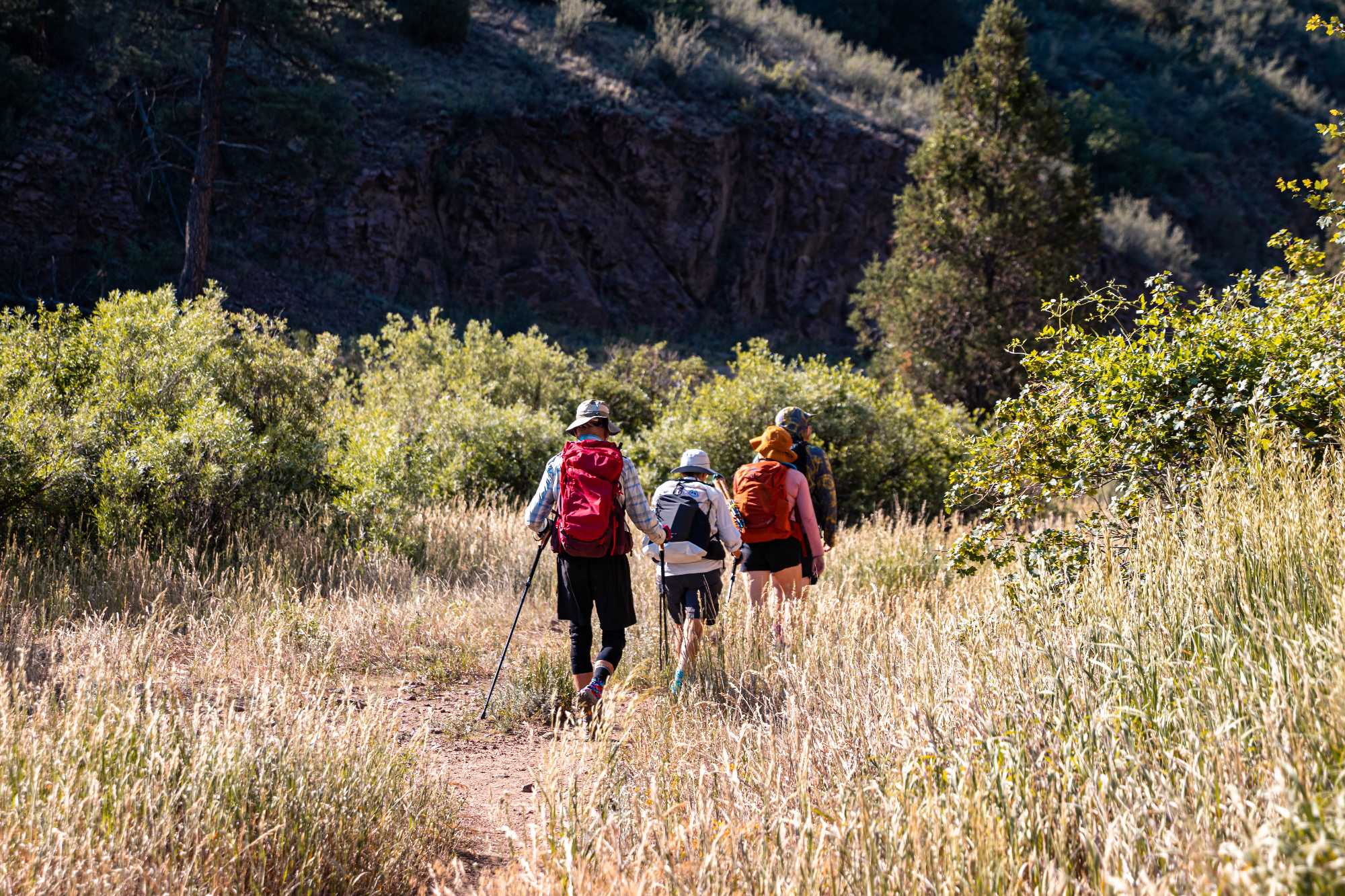
Colorado Mountain Expeditions offers supported Colorado Trail treks where guests hike with daypacks while CME transports camping equipment between campsites. This means you don't have to carry a full backpack loaded with overnight gear, but you still need to be prepared for the daily mileage, elevation gain, and consecutive days of hiking.
Your feet remain your primary means of getting along the trail. Preparing them properly can make the experience more comfortable and help you focus on the scenery rather than every painful step.
Prepare for Your Next Colorado Hiking Adventure
Blister prevention starts well before you reach the trailhead. Choose footwear that fits, test it on progressively longer hikes, use comfortable socks, manage moisture, and respond to hot spots as soon as they develop.
No method can guarantee that you will avoid blisters, but a little preparation can reduce the likelihood of problems during a multi-day hiking trip.
If you're planning a guided Colorado Trail trek, review the itinerary and packing information for your chosen trip. Make sure your footwear and foot-care supplies are ready for the terrain and daily mileage you expect to encounter.
Colorado Mountain Expeditions combines guided mountain hiking with transported camping equipment, hot meals prepared at camp, and a supported multi-day experience. That leaves you free to concentrate on the trail while making your own foot care and preparation a priority.
Ready to plan your trip? Explore the available guided Colorado Trail treks with Colorado Mountain Expeditions and find an adventure that matches your hiking goals.
Disclaimer: This article was written with the assistance of artificial intelligence (AI) and may contain errors or outdated information. The information provided is for general educational purposes and is not a substitute for individualized medical advice. Before beginning a new exercise program or undertaking strenuous hiking, consult a qualified healthcare professional to determine what is appropriate for your health and fitness level. If you have a medical condition that affects circulation, sensation, or wound healing, seek professional guidance about foot care before your trip. For persistent, severe, or potentially infected blisters, seek appropriate medical attention.