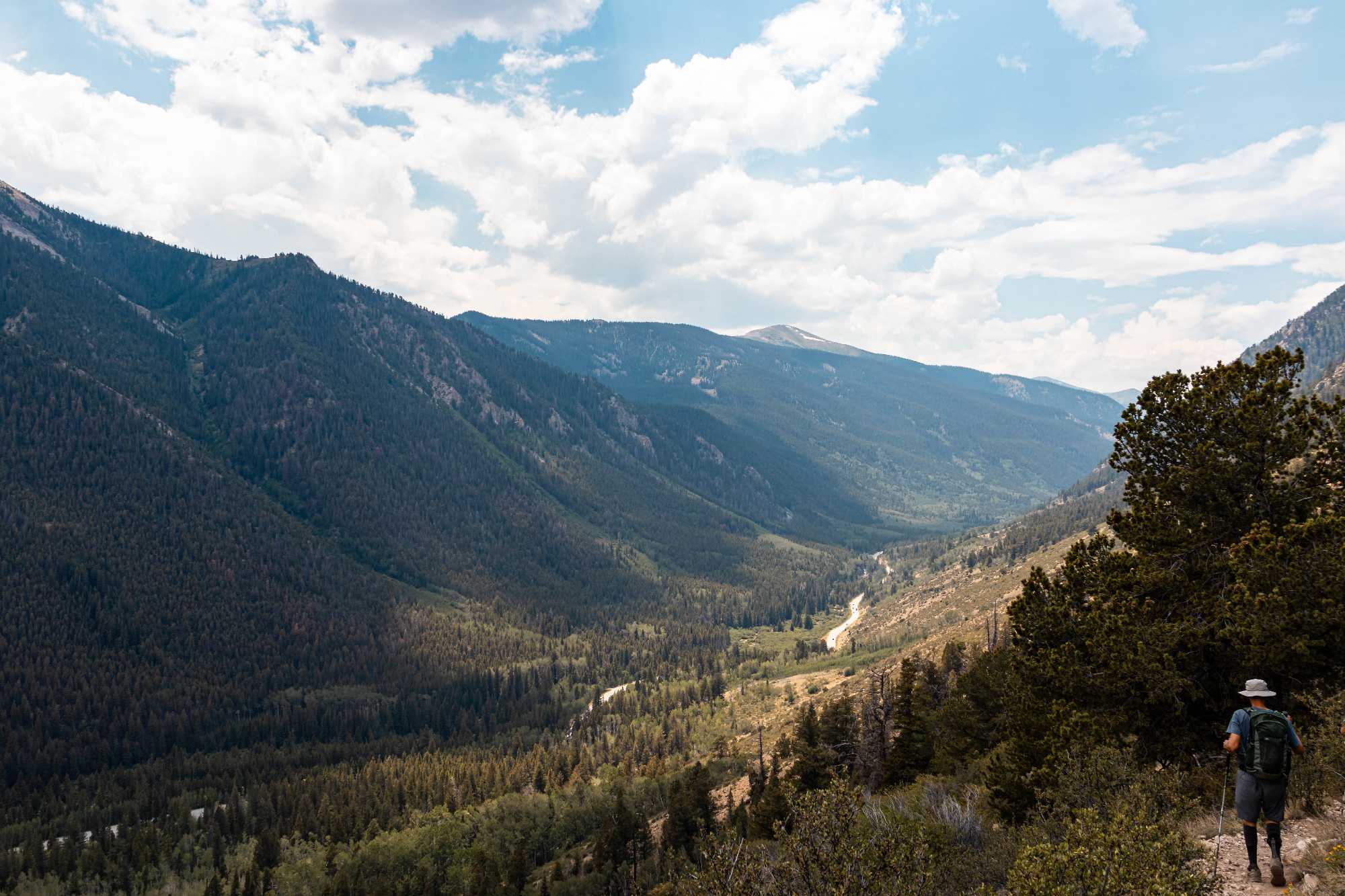
What Should You Carry in Your Daypack on the Colorado Trail?
Packing for a multi-day hiking trip can feel overwhelming, especially if you are accustomed to traditional backpacking. You might wonder how much gear you need to carry, what should stay in your tent, and which items you'll actually use during a long day on the trail.
On a supported Colorado Trail trek with Colorado Mountain Expeditions, you hike with a daypack while CME transports camping equipment between campsites. That means you do not need to carry your entire overnight camping setup while hiking, but you still need the essentials for a full day in the mountains.
Your daypack should hold the items you may need while away from camp, including water, food, extra clothing, sun protection, and the equipment required for changing conditions.
Here's how to prepare a practical daypack for your Colorado Trail adventure.
Start With a Comfortable Daypack
Your daypack should be large enough to hold your hiking essentials without being unnecessarily bulky or difficult to carry.
The ideal size depends on the trip itinerary, weather, personal equipment, and the amount of food and water you need. A pack that works for a short summer hike may not provide enough space for a full day in the mountains when you need extra layers and rain protection.
Look for a pack that fits your torso comfortably, has adjustable straps, and keeps the contents stable while you walk. Padded shoulder straps and a supportive hip belt can improve comfort, particularly on longer hiking days.
Before your trip, load the pack with the equipment you plan to bring and take it on a training hike. This lets you identify fit problems and make adjustments before you are several miles into the Colorado Trail.
Check your specific trip's packing list before purchasing new equipment. You may already own a suitable pack, and the requirements of your itinerary should guide your choices.
Water and Hydration Supplies
Water is one of the most important things to carry on any Colorado hiking trip.
Your needs depend on your exertion, body size, temperature, altitude, and access to reliable water sources. Long climbs and warm weather can increase how much water you need, while cold conditions can make it easier to forget to drink.
Carry enough water for the planned hiking period, following the instructions provided by your guide. Depending on your preferences, you might use water bottles, a hydration reservoir, or a combination of both.
Make sure you know how much water capacity your pack provides and how to access it while hiking.
Do not assume that streams along the Colorado Trail are safe to drink from untreated. If you plan to use natural water sources, appropriate treatment is necessary, and you should follow your guide's instructions about water availability and treatment.
Electrolyte products may be useful for some hikers in certain conditions, but they do not replace adequate water intake or a sensible hiking pace.
If you have a medical condition that affects hydration or fluid intake, consult your healthcare professional before your trip.
Lunch and Trail Snacks
Long days on the Colorado Trail require food you can carry and eat without returning to camp.
Colorado Mountain Expeditions provides lunch and snacks according to the arrangements for your particular trip. Lunch options include deli sandwiches or peanut butter and jelly sandwiches, with guest choices available. Confirm the current details on your registration page.
Keep your lunch and snacks accessible in your daypack so you can eat during scheduled breaks or when appropriate throughout the day.
You may also want a small reusable bag for wrappers and other waste. Pack out everything you bring onto the trail, following Leave No Trace principles and your guide's instructions.
Your appetite can vary with exertion and altitude, so pay attention to how you feel. If you have specific dietary needs, contact CME ahead of time to discuss the available options and determine whether you should bring additional food.
Extra Clothing Layers
Colorado's mountain weather can change quickly. A warm, sunny morning does not guarantee that conditions will remain comfortable throughout the day.
Even during summer, temperatures can drop at higher elevations, and wind or precipitation can make exposed terrain feel much colder.
Carry clothing appropriate for the forecast, the elevation profile, and the conditions you may encounter. Depending on your trip, useful items may include:
-
A warm insulating layer.
-
A waterproof or weather-resistant shell appropriate for the expected conditions.
-
An extra layer for cold or windy sections.
-
A spare pair of socks when practical.
-
A hat or other clothing appropriate for changing temperatures.
Avoid packing only for the conditions at the trailhead. You may spend part of the day above treeline, where wind, cold, and sudden weather changes can be more significant.
Your guide may provide trip-specific recommendations based on the route and forecast. Follow those instructions and keep essential layers somewhere you can reach them quickly.
Sun Protection
At Colorado's high elevations, sun exposure can be intense. You may spend hours outdoors with limited shade, particularly on exposed alpine terrain.
Include sun protection in your daypack even when the morning is cool or the sky is partly cloudy.
Useful items include:
-
Sunscreen suitable for your skin.
-
Sunglasses that provide appropriate ultraviolet protection.
-
A sun hat or cap.
-
Lip balm with sun protection.
-
Clothing that helps protect exposed skin.
Apply sunscreen according to its instructions and reapply as needed, particularly after sweating or wiping your face.
Do not assume that cool temperatures mean you can ignore the sun. Sun protection is an important part of preparing for long days in Colorado's mountains.
Rain Gear and Weather Protection
Afternoon thunderstorms are common in Colorado's mountains during summer. Weather can develop quickly, especially during the warmer part of the day.
Your daypack should include the rain protection specified for your trip, even if the forecast looks favorable when you leave camp.
A suitable waterproof shell and other recommended protection can help you stay more comfortable when conditions change. Keep clothing and essential items protected from moisture inside your pack.
However, rain gear does not make it safe to remain exposed during lightning or severe weather. Follow your guide's instructions and official weather guidance, particularly when hiking above treeline or near exposed ridges.
Your guide will make decisions based on the route, current conditions, and the group's safety. Do not assume that a planned destination must be reached regardless of the weather.
Navigation and Communication Essentials
On a guided trek, your guide is responsible for leading the group along the planned route. Nevertheless, your personal equipment should be appropriate for the trip and the instructions you receive.
A charged mobile phone can be useful for communication and photographs, but coverage may be limited or unavailable in remote mountain areas.
Depending on the trip's requirements, your daypack may also need a map, compass, or other specified navigation equipment. Follow the packing list rather than assuming that your phone alone is sufficient.
CME uses Garmin inReach devices as part of its outdoor communication and safety practices. These devices provide satellite communication capabilities in areas where ordinary cellular service may be unavailable. Their presence does not eliminate the need to follow guide instructions or established safety procedures.
Keep electronic devices protected from moisture and cold, and conserve battery power when necessary.
First-Aid and Personal Items
A few small personal items can make a long hiking day more comfortable and help you deal with minor problems.
Consider carrying the supplies specified by your trip's packing list, which may include:
-
Blister-prevention tape or suitable dressings.
-
Personal medications you may need during the day.
-
Basic personal hygiene items.
-
A headlamp or flashlight.
-
Identification and any required emergency information.
-
A small bag for waste.
If you use prescription medication, carry it according to your healthcare professional's instructions and make sure it remains accessible when needed.
The appropriate first-aid supplies depend on your medical needs, the trip, and the guidance provided by CME. A small personal kit is not a substitute for professional medical care in an emergency.
Let your guide know about relevant safety concerns before the trip, following the outfitter's procedures for sharing necessary information.
What Can You Leave at Camp?
One advantage of CME's supported Colorado Trail treks is that you do not need to carry all your overnight camping equipment during the day's hike.
CME transports camping equipment between campsites, allowing guests to hike with daypacks instead of full backpacking loads.
Items that generally remain with your camping equipment may include your sleeping tent and overnight sleeping setup, along with other personal items that are not needed during the hiking day. Follow your specific trip's instructions about what is transported and what must remain with you.
Remember that you are responsible for setting up and taking down your own personal sleeping tent.
Do not leave essential medication, critical personal items, or anything you may need during the day with transported equipment. Keep your hiking essentials with you, and confirm any questions about luggage or camp storage with CME before departure.
How to Organize Your Daypack
A well-organized pack makes it easier to find what you need without unpacking everything on the trail.
Keep frequently used items, such as snacks, sunscreen, and rain protection, somewhere accessible. Store extra clothing and less frequently used items in the main compartment, protected from moisture as appropriate.
Heavy items should be packed securely so they do not shift while you hike. Avoid overloading external pockets with equipment that can swing, snag, or fall out.
Before leaving camp, check that you have your water, food, required clothing, personal medication, and other essentials. Make sure your phone and any electronic equipment are charged.
It is also worth checking the forecast and listening to your guide's briefing before departure. You may need to adjust your clothing or other equipment based on the day's route and expected conditions.
Test Your Pack Before Your Colorado Trail Trek
Do not wait until the first morning of your trip to find out whether your daypack fits properly or has enough room for your essentials.
Take it on several practice hikes with the same items you expect to carry during your trek. Pay attention to shoulder pressure, pack movement, access to water, and whether you can reach your rain gear quickly.
Practice using your water system, adjusting the straps, and organizing your equipment. Small adjustments at home can prevent unnecessary discomfort during a long day on the trail.
If you are buying a new pack, allow time to test it and make sure it works with your hiking clothing and other equipment.
Most importantly, follow the packing instructions for your particular CME trek. A useful daypack setup should be based on the actual itinerary and expected conditions, not a generic checklist alone.
Get Ready for Your Colorado Trail Adventure
The right daypack setup helps you stay prepared for long hiking days without carrying unnecessary equipment.
Focus on the essentials: water, food, appropriate clothing, sun and weather protection, personal medications, and any equipment required by your trip. Keep important items accessible, test your setup before departure, and follow your guide's instructions.
With Colorado Mountain Expeditions, you can experience the Colorado Trail with a daypack while CME transports camping equipment between campsites. Guides prepare hot breakfasts and dinners, and shared camp spaces provide a comfortable place to relax after the day's hiking.
You still need to be prepared for the trail's mileage, elevation gain, altitude, and changing weather, but you do not have to carry a full backpack loaded with your overnight setup.
Ready to plan your trip? Explore the available guided Colorado Trail treks with Colorado Mountain Expeditions and review the registration page for your chosen trip's packing list and equipment requirements.
Disclaimer: This article was written with the assistance of artificial intelligence (AI) and may contain errors or outdated information. Equipment recommendations are general and may not cover every condition or individual need. Always follow the current packing list and safety instructions for your trip. Before beginning a new exercise program or undertaking strenuous hiking, consult a qualified healthcare professional to determine what is appropriate for your health and fitness level. For trip-specific equipment and outdoor safety questions, consult a qualified outdoor professional. Always follow current official guidance regarding weather, trail conditions, and outdoor safety.