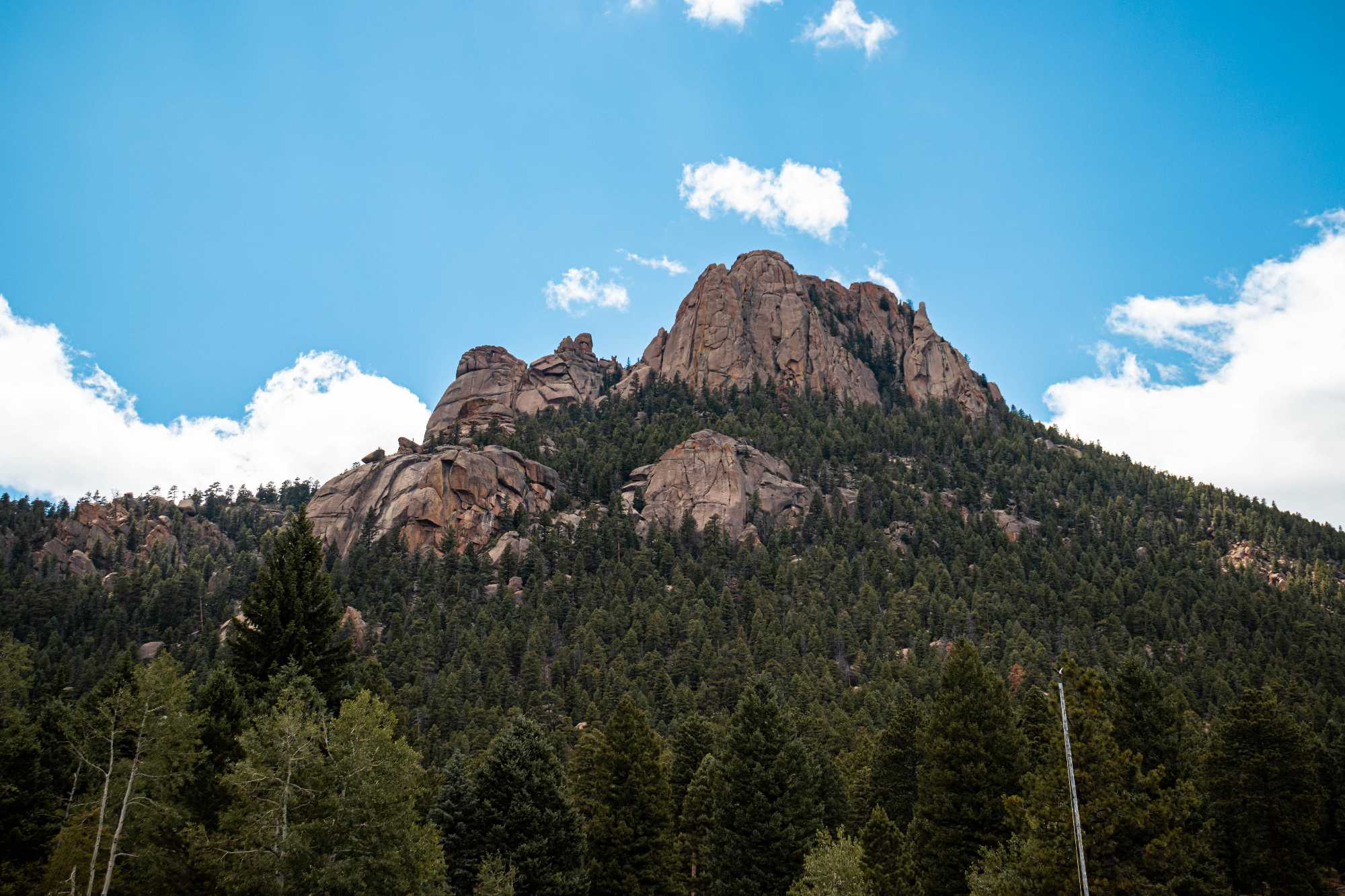
How to Prepare for Colorado’s Afternoon Thunderstorms While Hiking
Colorado’s mountains offer spectacular hiking, but mountain weather can change quickly. A morning that begins with sunshine and clear views can turn into an afternoon of dark clouds, strong winds, rain, hail, or lightning.
For hikers on the Colorado Trail, thunderstorms are more than an inconvenience. Lightning can create dangerous conditions on exposed ridges, above treeline, and in open alpine terrain. Knowing how to prepare for changing weather is an important part of planning a multi-day hiking adventure.
Colorado Mountain Expeditions takes weather conditions into account when guiding trips, but every hiker should understand the basics of mountain-weather safety. Preparation, awareness, and flexibility can help reduce risk when conditions change.
Why Afternoon Thunderstorms Are Common in Colorado
During the warmer months, Colorado often experiences a pattern of relatively clear mornings followed by increasing clouds and the possibility of afternoon thunderstorms.
As the sun heats the ground, warm air rises. When atmospheric conditions support thunderstorm development, clouds can build into storms that produce lightning, heavy rain, hail, and strong or gusty winds.
Mountain terrain adds complexity. Conditions can vary across nearby valleys, ridgelines, and peaks, and a storm developing in one area may not affect another in the same way.
That means a favorable forecast at your campsite does not guarantee safe weather along the day's route. A trail may climb into exposed terrain where conditions are very different from those at lower elevations.
Storms do not always follow a predictable schedule, either. Thunderstorms can develop earlier than expected, and some days may remain unsettled throughout the morning or afternoon.
The practical lesson is simple: plan for changing conditions rather than assuming the weather will remain clear.
Start Early, but Do Not Rely on Timing Alone
Starting a mountain hike early can help reduce exposure to the common pattern of afternoon storm development. It can also provide more flexibility if the group needs to slow down, change the route, or stop at a safer location.
However, an early start is not a guarantee of safety. Storms can develop outside the typical afternoon window, and weather conditions can change rapidly.
Your guide may adjust the day's departure time, hiking pace, route, or plans based on the forecast and current conditions. These decisions are part of managing risk in a mountain environment.
Hikers should be prepared for plans to change. Reaching a particular destination is never more important than making a safe decision when conditions deteriorate.
Check the Forecast Before You Hike
Weather planning should begin before you reach the trail.
Review the forecast for the relevant mountain area and elevation, rather than relying exclusively on a general forecast for a nearby town. Mountain conditions can differ significantly from conditions at lower elevations.
Pay attention to more than the chance of rain. Useful information includes:
-
The timing and likelihood of thunderstorms.
-
The possibility of lightning, hail, or strong winds.
-
Temperature changes and expected high and low temperatures.
-
Wind speed and direction.
-
Weather alerts and warnings.
-
Conditions along exposed ridges and high-elevation terrain.
Forecasts are not guarantees, so continue paying attention to the sky and your surroundings during the hike.
On a guided Colorado Trail trek, listen to your guide's weather briefing and follow instructions about route changes, turnaround decisions, or other precautions. If you have questions about the plan, ask before the group enters exposed terrain.
Recognize Signs of Changing Weather
You do not need to be a meteorologist to recognize that conditions may be deteriorating.
Watch for growing cumulus clouds, increasingly dark cloud bases, distant rain shafts, sudden wind changes, and a noticeable shift in temperature. These observations do not prove that lightning is imminent, but they are reasons to pay attention to the forecast and your surroundings.
Do not wait until a storm is directly overhead to take changing weather seriously. A thunderstorm can move quickly, and exposed mountain terrain may offer few safe options once lightning approaches.
If you hear thunder, lightning is close enough to pose a potential threat. Do not assume that a storm is harmless because the rain has not started or the lightning appears distant.
Tell your guide if you notice concerning weather changes. Early communication gives the group more opportunity to respond before conditions become more dangerous.
Carry Clothing for Rain, Wind, and Cold
Even in summer, conditions in Colorado’s mountains can become cold and uncomfortable when rain and wind arrive.
Your daypack should include the weather protection specified for your trip. Depending on the forecast and route, this may include a suitable waterproof shell, insulating layers, and other clothing recommended by your guide.
Keep essential clothing protected from moisture so it remains useful when you need it.
Remember that rain protection is not lightning protection. A waterproof jacket can help keep you more comfortable, but it does not make an exposed ridge or open alpine area safe during a thunderstorm.
Follow your trip’s packing list and avoid relying on a favorable morning forecast as a reason to leave rain gear or warm layers behind.
Understand the Risks Above Treeline
Some of Colorado’s most memorable hiking takes place above treeline, where broad views and open terrain can be extraordinary. These areas can also leave hikers exposed to lightning and rapidly changing weather.
Treeline varies with location and conditions, and not every section of the Colorado Trail has the same level of exposure. Some routes spend significant time in forested terrain, while others cross open passes, ridgelines, or alpine landscapes.
If thunderstorms are possible, exposed terrain deserves particular attention. A safe plan may involve changing the timing of a crossing, choosing a different route, turning around, or stopping the hike.
There is no universal rule that makes a particular ridge or pass safe at a specific time. Decisions depend on the weather, terrain, available shelter, and the situation at that moment.
A guided trip provides professional oversight, but it does not eliminate the inherent risks of mountain weather. Follow your guide's directions promptly, even if that means missing a planned viewpoint or shortening the day's hike.
What Should You Do if You Hear Thunder?
If you hear thunder while hiking, take the threat seriously and follow your guide's instructions immediately.
The safest response depends on your location, the terrain, the storm's development, and the options available. There is no single action that is appropriate in every mountain setting.
In general, avoid remaining on exposed ridges, summits, open alpine terrain, or near isolated tall objects when lightning threatens. Do not crowd under an isolated tree or assume that a shallow overhang will provide reliable protection.
A fully enclosed, substantial building or a hard-topped vehicle offers much better lightning protection than being outdoors. These options may not be accessible on remote trail sections, which is one reason planning ahead matters.
If you are caught outdoors during a lightning threat, follow official lightning-safety guidance and your guide's instructions. No outdoor location is completely safe during a thunderstorm.
Do not delay responding while taking photographs, waiting for rain, or trying to reach a planned destination. Safety decisions should take priority over the itinerary.
Why Flexibility Matters on a Guided Colorado Trail Trek
Multi-day hiking requires balancing the planned route with the conditions on the ground. A day's itinerary may look straightforward on paper, but weather can change what is reasonable or safe.
On a guided trip with Colorado Mountain Expeditions, guides assess conditions and may adjust plans when necessary. That could mean changing the pace, modifying the route, waiting for conditions to improve where appropriate, or turning around.
These decisions can be disappointing when you have been looking forward to a particular pass or viewpoint. However, mountain travel involves uncertainty, and a successful trip is not defined by completing every planned mile regardless of conditions.
CME’s Colorado Trail treks are supported hiking trips. Guests carry daypacks while CME transports camping equipment between campsites. This arrangement reduces the need to carry a full overnight backpack, but it does not remove the physical demands of hiking or the risks associated with weather and elevation.
Guests should arrive ready to hike, prepared for changing conditions, and willing to follow safety instructions.
Do Not Let a Good Forecast Create False Confidence
Weather forecasts are valuable tools, but conditions can change between the time you check the forecast and the time you reach an exposed section of trail.
A sunny morning, a low probability of precipitation, or a storm visible in the distance should not lead you to ignore developing conditions.
Continue monitoring the sky, listen to your guide, and take weather warnings seriously. If you are hiking independently, make conservative decisions and understand the route's exposure and available exit options before setting out.
For current conditions and safety information, consult official resources such as the National Weather Service and the National Lightning Safety Council.
Enjoy Colorado’s Mountains With a Respect for the Weather
Afternoon thunderstorms are one of the realities of hiking in Colorado’s mountains. Preparing for them means checking appropriate forecasts, carrying suitable clothing, recognizing changing conditions, and understanding when a route or schedule needs to change.
On the Colorado Trail, that preparation is especially important when hiking at high elevations or crossing exposed terrain.
Colorado Mountain Expeditions helps guests experience the Colorado Trail with professional guides, transported camping equipment, and comfortable camps that include guide-prepared hot breakfasts and dinners. But good preparation and sensible decisions remain essential parts of any mountain adventure.
Ready to explore the Colorado Trail? Visit Colorado Mountain Expeditions to review available guided treks and check the current trip details before registering.
Disclaimer: This article was written with the assistance of artificial intelligence (AI) and may contain errors or outdated information. It is intended for general educational purposes and is not a substitute for official weather alerts, professional instruction, or trip-specific safety guidance. Mountain weather can be dangerous and unpredictable. Before undertaking strenuous hiking, consult a qualified healthcare professional about your fitness for the activity, and consult a qualified outdoor professional for route-specific planning and safety advice. Always follow current official weather guidance and your guide's instructions. If lightning threatens, prioritize safety over completing the hike.