Guided Colorado Trail Trek vs. Hiking Independently: What's the Difference?
Hiking the Colorado Trail is an unforgettable way to experience Colorado's mountains. But before planning your adventure, you need to decide how you want to experience the trail.
Some hikers prefer the independence of organizing their own route, carrying their camping equipment, and managing every detail. Others want to focus on hiking while an outfitter handles important parts of the logistics.
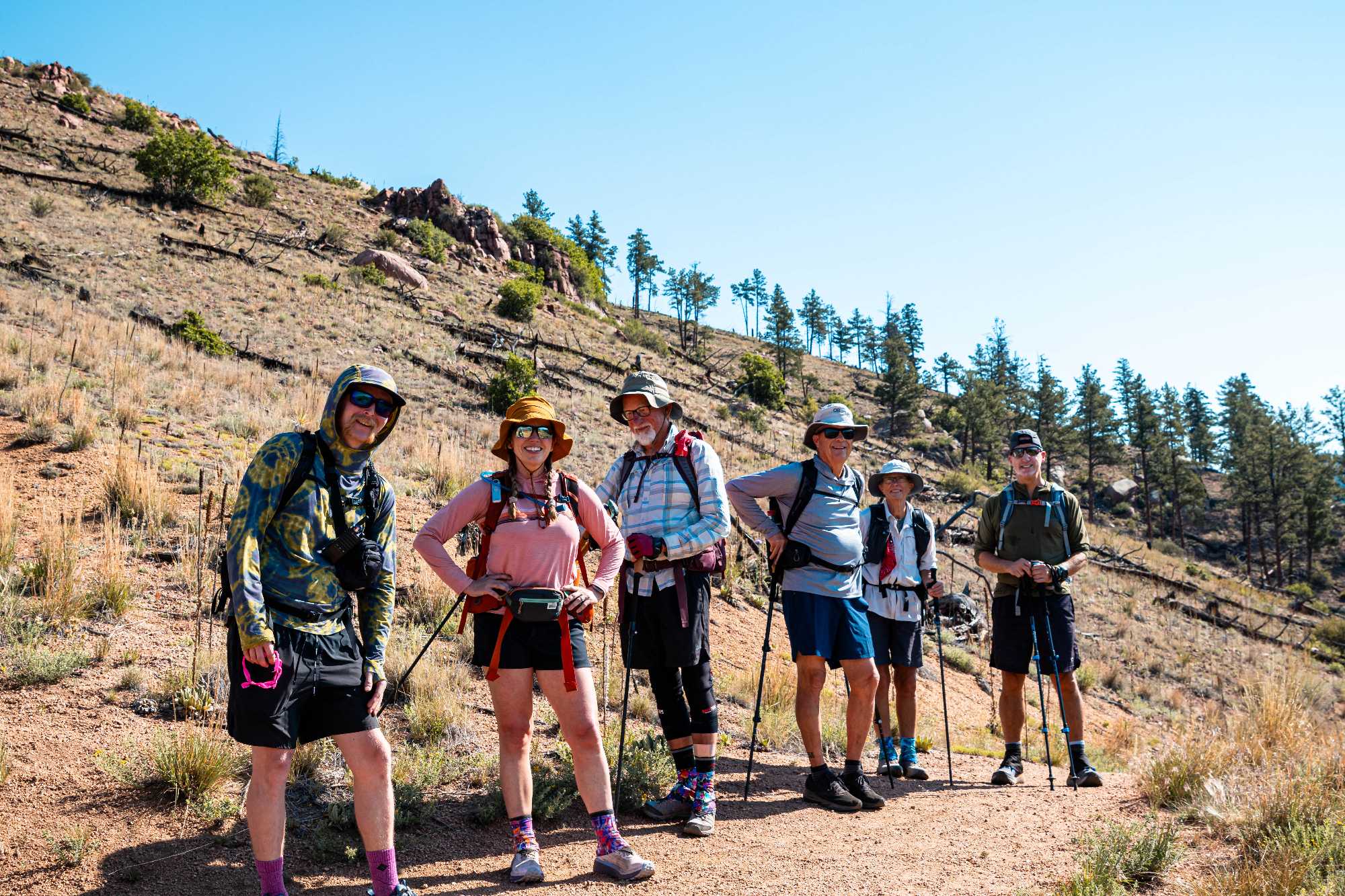
A guided Colorado Trail trek offers a different way to experience a long-distance trail. With Colorado Mountain Expeditions, guests hike with daypacks while CME transports camping equipment between campsites. Guides prepare hot breakfasts and dinners, and guests can enjoy shared camp spaces after a day on the trail.
Neither approach is right for everyone. The best choice depends on your experience, priorities, budget, and the kind of adventure you want.
Carrying Your Own Gear vs. Hiking With a Daypack
One of the biggest differences between independent backpacking and a CME Colorado Trail trek is what you carry.
Independent backpackers typically carry their sleeping equipment, shelter, clothing, food, cooking supplies, and other overnight necessities. The weight of that equipment can add significantly to the physical demands of hiking.
On a CME Colorado Trail trek, guests hike with daypacks while CME transports camping equipment between campsites. You still need to carry your personal hiking essentials, water, snacks, extra layers, and other items needed during the day, but you do not have to carry your full overnight camping setup along the trail.
This arrangement can make multi-day hiking more approachable for people who want to cover substantial distances without carrying a traditional backpacking load.
It is important to understand that the hiking itself can still be demanding. Colorado Trail treks can involve long days, significant elevation changes, uneven terrain, and high elevations.
Planning Everything Yourself vs. Having Trip Support
Independent hiking requires substantial planning.
You need to research the route, estimate hiking times, identify overnight locations, organize transportation, plan meals, and determine how to manage your equipment and supplies. Depending on the itinerary, you may also need to coordinate vehicle shuttles and other transportation arrangements.
A guided trek moves many of those responsibilities to the outfitter.
CME organizes the trip logistics and transports camping equipment between campsites on its Colorado Trail treks. Guides lead the hiking experience and help manage the group's daily schedule and camp routines.
That support allows guests to spend less time managing the logistics of a multi-day trip and more time enjoying the trail.
Guided travel does not eliminate every responsibility. Guests still need to prepare physically, bring the required personal equipment, follow trip instructions, and be ready for changing mountain conditions.
Cooking Your Own Meals vs. Hot Meals at Camp
Food is another major difference between independent backpacking and a supported trek.
Independent backpackers generally plan their own menus, carry their food, and prepare meals using their own equipment. This offers flexibility, but it also adds weight and requires time for meal preparation and cleanup.
CME guides prepare hot breakfasts and dinners for guests on Colorado Trail treks. Rather than relying on freeze-dried meals, the goal is to provide satisfying food at camp after a day of hiking.
Guests can enjoy a meal, relax, and prepare for the following day without having to organize the entire camp kitchen themselves.
Lunch and snacks are handled differently from the hot meals served at camp, so review the specific trip registration page for the current meal arrangements and what guests should bring.
Independent Camping vs. a Shared Camp Experience
Independent backpackers choose and manage their own campsites and camping routines according to their plans and applicable land-management rules.
On a supported CME trek, the outfitter coordinates the camping logistics for the itinerary. Depending on the campsite and trip, guests may have access to shared kitchen and living spaces, along with amenities such as coffee, tea, and cold drinks.
These shared spaces give guests a place to relax and socialize after hiking. They can also make the experience appealing to people who enjoy spending time outdoors with other hikers but prefer not to organize every aspect of camp themselves.
Guests still set up and take down their own personal sleeping tents. A supported trek is not the same as staying in a hotel, and guests should be comfortable spending the night outdoors.
Which Option Costs More?
The cost comparison depends on how you organize an independent trip and what services are included in a guided trek.
Independent hiking can reduce the amount paid to an outfitter, particularly if you already own the necessary equipment. However, you may still need to account for transportation, food, camping gear, replacement equipment, lodging, and other trip expenses.
A guided trek has a registration price, but that price covers the services and logistics specified for the trip. When comparing options, consider the value of equipment transportation, guide services, prepared meals, and organized camp arrangements.
It is also worth considering the time required to plan and coordinate an independent adventure. Some hikers enjoy that work as part of the experience. Others would rather have those details handled so they can concentrate on the hiking.
Review the current registration details carefully before comparing prices. Included services and guest responsibilities can vary between trips and outfitters.
Is a Guided Colorado Trail Trek Easier?
A guided trek can reduce some of the logistical and equipment-carrying demands associated with independent backpacking, but it does not make the trail effortless.
Guests still hike the scheduled distances, climb mountain passes, navigate uneven terrain, and deal with changing weather. High elevation can make physical exertion more challenging, even for people who are otherwise active.
The difficulty of a trip depends on its itinerary, daily mileage, elevation gain, terrain, and the individual hiker's fitness and experience.
Before registering, look closely at the trip's daily hiking schedule and difficulty information. Choose an itinerary that fits your abilities rather than assuming that carrying a daypack makes every route easy.
Who Should Consider a Guided Colorado Trail Trek?
A guided trek may be a good fit if you want to experience the Colorado Trail but would prefer not to carry all your overnight camping equipment.
It may also appeal to hikers who enjoy being outdoors but do not want to coordinate every transportation, meal, and camping detail themselves. If you like sharing an adventure with other hikers and returning to a prepared camp after a long day, a guided trip may offer the kind of experience you are looking for.
Independent hiking may be a better fit if you value complete control over your itinerary, prefer traveling alone or with your own group, and enjoy managing your own equipment and logistics.
There is no need to view one approach as better for everyone. The important thing is choosing the style of trip that matches your goals.
Find Your Colorado Trail Adventure
The Colorado Trail can be experienced in several ways. Hiking independently offers flexibility and self-sufficiency, while a supported trek provides an organized way to experience the trail without carrying a full overnight camping setup from campsite to campsite.
Colorado Mountain Expeditions offers guided Colorado Trail treks for hikers who want to spend their days exploring Colorado's mountains while CME manages key transportation and camp logistics.
Explore available trips and compare itineraries at ColoradoTrailHiking.com to find an adventure that fits your hiking goals.
A note about this article: This article was written with assistance from AI and may contain errors or outdated information. Verify trip details, included services, and guest responsibilities on the applicable registration page before booking. Consult a qualified healthcare professional before beginning a new exercise program or undertaking strenuous or high-altitude hiking, and consult a qualified outdoor professional for trip-specific safety, route, and equipment advice.